Senior Audiologist • 11/2/2026
“I can hear you fine, I just can’t always make out the words.” That’s how mild hearing loss usually sounds when people describe it. You’re not deaf. You just keep asking people to repeat themselves, and you’ve started blaming the mumbling.
So does that call for a hearing aid? Sometimes yes, sometimes not yet. Here’s how to tell the difference, what a test will show, and which devices actually suit a mild loss.

Mild hearing loss means you can hear most everyday sounds, but soft ones slip away. On a hearing test it shows up as a small drop in the quietest sounds you can pick up, roughly in the 25 to 40 dB range (grading scales differ slightly between organisations).
In real life, that means the TV is fine until the fan is on, a phone call is fine until the line is poor, and a restaurant is a struggle. Speech is the first thing to go fuzzy, especially soft consonants like s, f, th and sh. You hear that someone is talking; you miss the words.
Because it creeps in so slowly, most people don’t notice it themselves. A family member usually spots it first.

The honest answer is that the number on the test isn’t the whole story. A hearing aid makes sense for mild loss when it’s getting in the way of your life: work calls, meetings, family conversations, or the effort of keeping up.
If you’re a teacher, in sales, on calls all day, or simply tired of missing half of what’s said at home, mild loss can matter a lot. If your hearing is slightly down and you rarely struggle, an audiologist may suggest a retest in 6 to 12 months instead of a device today.
Both are fine. What isn’t fine is ignoring it for years. If you want the wider picture on whether a device is worth the money, read our post on whether hearing aids are worth it.
There’s also research linking untreated hearing loss with a higher risk of cognitive decline. It’s an association, not a guarantee, and we’ve covered what the studies do and don’t say in the hearing loss and dementia link.
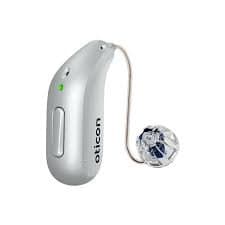
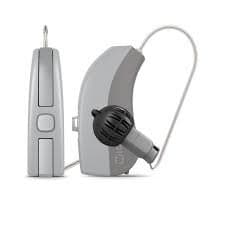
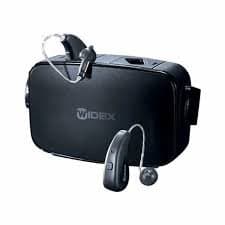
Mild loss needs less amplification, which opens up smaller and lighter styles. An audiologist will choose based on your test, your ear shape and how you live, but these are the options people usually ask about.
Want something you can barely see? Look at our guide to invisible hearing aids in India. Prefer charging over changing batteries? See the best rechargeable hearing aids. And if you’re unsure about the shapes, behind-the-ear vs in-the-ear hearing aids explains the trade-offs.
Over-the-counter devices are marketed for mild loss, but they’re sold without a hearing test and the settings aren’t made for your ears. A fitted device is set to your own test result. The differences, and when each makes sense, are laid out in our post on prescription vs OTC hearing aids.

A hearing test takes about half an hour. You sit in a quiet room with headphones and press a button when you hear a tone, and you repeat words at different volumes. The audiologist then shows you a graph (an audiogram) of what you hear in each ear.
There’s no pain, no needles, and no obligation. If your hearing is fine, you leave knowing that. If it isn’t, you get a clear picture and a few options. If the loss is on one side only, or came on suddenly, see an ENT doctor first; our post on sudden hearing loss in one ear explains why.
Start with your test result, then think about your day: how much noise you deal with, how much you’re on calls, whether you’d rather charge or change batteries, and how visible you’re happy with it being. Our step-by-step guide to choosing a hearing aid walks through it. Worried about what people will think? That’s one of the common hearing aid myths, and today’s devices are small and discreet.
Insono stocks Signia, Phonak, Widex, Oticon, Starkey and ReSound. You get a 3-day trial, 0% EMI and warranty up to 4 years depending on the model. Brand-wise prices are on the hearing aid price page.

Mild hearing loss is a small drop in hearing, roughly 25 to 40 dB on a hearing test (scales vary slightly). You hear most sounds but miss soft speech, especially in noise.
Not always. It depends on how much the loss affects your work, calls and conversations. An audiologist can tell you whether to start now or retest later.
It can, especially with age or noise exposure. That’s why a baseline test and a repeat check every year or two is a good idea.
Asking people to repeat themselves, feeling that others mumble, trouble in noisy places, and turning the TV up a little more than before.
Small styles such as receiver-in-canal and in-the-canal aids are common choices. The right one depends on your test, ear shape and lifestyle.
Many are small enough to be barely noticeable, and completely-in-canal models sit inside the ear.
These are sold without a test and aren’t tuned to your ears. A test and a fitted device tend to work better.
Yes. The initial test is free and carries no obligation to buy.
Not sure if it’s mild loss or just a noisy room? A short test gives you a straight answer.
📞 Call us: +91 6204260510 | +91 7742573686
💬 WhatsApp: Chat with us on WhatsApp
📍 Find a clinic: Insono Hearing Clinics
💰 See hearing aid pricing: Hearing Aid Price Guide