Senior Audiologist • 6/15/2026

Hearing aids have transformed the lives of millions of people worldwide by helping them hear conversations more clearly, stay socially connected, and improve their overall quality of life. However, many people still wonder: Are hearing aids really worth the investment?
With modern advancements such as AI-powered sound processing, Bluetooth connectivity, rechargeable batteries, and advanced noise reduction, hearing aids in 2026 offer significantly more benefits than ever before.
In this guide, we’ll explore the benefits of hearing aids, compare costs, review popular brands, and examine real user experiences to help you decide whether hearing aids are worth buying.
| Brand | Entry-Level Models | Mid-Range Models | Premium Models |
|---|---|---|---|
| Phonak | ₹35,000 – ₹70,000 | ₹70,000 – ₹1,50,000 | ₹1,50,000 – ₹4,00,000+ |
| Signia | ₹30,000 – ₹65,000 | ₹65,000 – ₹1,40,000 | ₹1,40,000 – ₹3,50,000+ |
| Oticon | ₹45,000 – ₹90,000 | ₹90,000 – ₹1,80,000 | ₹1,80,000 – ₹3,50,000+ |
| Widex | ₹40,000 – ₹80,000 | ₹80,000 – ₹1,70,000 | ₹1,70,000 – ₹3,50,000+ |
| Starkey | ₹35,000 – ₹75,000 | ₹75,000 – ₹1,60,000 | ₹1,60,000 – ₹4,00,000+ |
| ReSound | ₹35,000 – ₹75,000 | ₹75,000 – ₹1,50,000 | ₹1,50,000 – ₹3,50,000+ |
Note: Prices may vary depending on technology level, hearing loss severity, warranty coverage, and clinic services.
Hearing aids are electronic devices designed to amplify and process sounds, helping individuals with hearing loss hear speech and environmental sounds more clearly.
Modern hearing aids can:
Today’s hearing aids do much more than simply make sounds louder.
One of the biggest benefits of hearing aids is improved communication.
Users often report:
Hearing loss can lead to frustration and social isolation.
Hearing aids help users:
Research suggests untreated hearing loss may increase the risk of cognitive decline.
Using hearing aids may help:
Modern hearing aids include:
Hearing aids help users become more aware of their surroundings.
Benefits include:
Many first-time buyers hesitate because of common misconceptions.
While premium hearing aids can be costly, many affordable options are available.
Modern hearing aids are:
Most users adapt within a few weeks and report improved comfort over time.
| Pros | Cons |
|---|---|
| Better speech clarity | Initial adjustment period |
| Improved communication | Premium models can be expensive |
| Advanced technology | Requires maintenance |
| Bluetooth connectivity | Learning curve for some users |
| Rechargeable options | Periodic servicing required |
| Better quality of life | Not a cure for hearing loss |
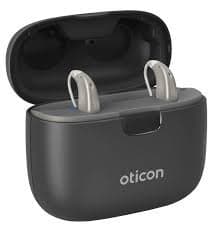
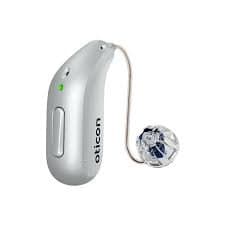
Oticon

Known for BrainHearing™ technology and natural listening experiences.
Phonak

Excellent Bluetooth compatibility with Android and iPhone devices.
Signia

Advanced AI-powered conversation enhancement.
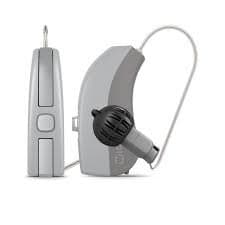
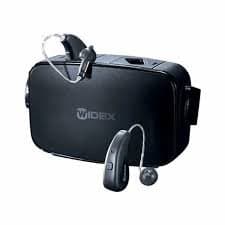
Widex

Widely praised by music lovers and users seeking pure sound.
Starkey

Offers wellness tracking and innovative health-related functions.
A professional hearing evaluation can determine the best course of action.
For most people experiencing hearing loss, hearing aids are absolutely worth the investment.
The benefits often include:
The right hearing aid can positively impact both personal and professional life.
So, are hearing aids worth it in 2026?
For the vast majority of people with hearing loss, the answer is yes. Modern hearing aids provide much more than amplification. They offer advanced technology, improved communication, better brain engagement, and a higher quality of life.
Whether you choose Phonak, Signia, Oticon, Widex, Starkey, or ReSound, the key is finding the right hearing aid that matches your hearing needs, lifestyle, and budget.
Consulting a qualified audiologist is the best first step toward better hearing.

Yes. Most users experience improved communication, better social interaction, and enhanced quality of life.
Prices generally range from ₹30,000 to ₹4,00,000+ depending on brand and technology.
Popular choices include Phonak, Signia, Oticon, Widex, Starkey, and ReSound.
Modern hearing aids use advanced noise reduction and speech enhancement technology to improve hearing in noisy situations.
Yes. Rechargeable hearing aids offer convenience, reliability, and lower maintenance compared to disposable batteries.
Most hearing aids last between 5 and 7 years with proper care.
Yes. Most premium hearing aids support Bluetooth connectivity for calls, music streaming, and app control.
Absolutely. Many users report better communication, increased confidence, and improved overall well-being after using hearing aids.