Senior Audiologist • 5/25/2026

Sudden hearing loss in one ear can feel alarming. Many people describe waking up with muffled hearing, a blocked sensation, ringing in the ear, or difficulty understanding conversations. In some cases, the hearing loss happens within hours or over a few days. While some causes are temporary, sudden hearing loss may also indicate a medical emergency that requires immediate treatment.
This guide explains the common causes of sudden hearing loss in one ear, available treatment options, warning signs, and when to see a doctor. It also covers how modern hearing aids, advanced hearing technology, and prescription hearing care can help improve hearing health.
Sudden hearing loss, also called Sudden Sensorineural Hearing Loss (SSNHL), is a rapid loss of hearing that usually occurs in one ear. It may happen instantly or develop over 72 hours.
People often notice symptoms while:
The condition can affect adults of any age, but it is more common between ages 40 and 60.
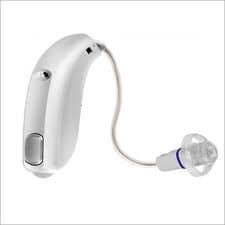
If hearing does not fully recover, many patients later explore advanced digital hearing aids for better speech clarity and sound support.
Symptoms may vary from person to person. Common signs include:
If these symptoms appear suddenly, it is important to seek medical attention quickly from an ENT specialist or audiologist.
There are several possible causes behind sudden hearing loss. Some are temporary, while others may need urgent treatment.

A buildup of earwax can block sound from entering the ear canal and may create sudden muffled hearing.
This type of hearing loss is usually temporary and treatable.
Middle ear infections or fluid buildup can affect hearing temporarily.
Prompt treatment can help restore hearing and prevent complications.
This is one of the most serious causes of sudden hearing loss and often requires urgent medical care.
Early treatment significantly improves recovery chances.
Patients with long-term hearing damage may later benefit from prescription hearing aids like:
This inner ear disorder affects hearing and balance.
Hearing may come and go initially before becoming permanent.
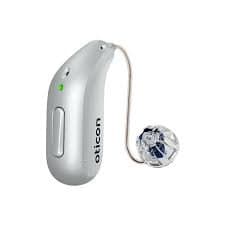
Modern Bluetooth-enabled hearing aids can help improve communication for patients experiencing fluctuating hearing levels.
An acoustic neuroma is a non-cancerous tumor affecting the hearing nerve.
Doctors may recommend imaging tests like MRI scans for diagnosis.
Exposure to loud sounds can damage the delicate structures inside the inner ear.
| Feature | Conductive Hearing Loss | Sensorineural Hearing Loss |
|---|---|---|
| Affected Area | Outer or middle ear | Inner ear or hearing nerve |
| Common Causes | Earwax, infection, fluid | SSNHL, nerve damage, aging |
| Pain | Sometimes present | Usually absent |
| Treatment | Cleaning, medication | Steroids, hearing therapy |
| Recovery Chances | Often good | Depends on early treatment |
| Emergency Level | Moderate | High |
You should see an ENT specialist or audiologist immediately if you experience:
Experts recommend seeking treatment within 24–72 hours for the best recovery outcomes.
Doctors may perform several tests to identify the cause, including:
These tests help determine whether the issue is conductive or sensorineural.
Treatment depends on the underlying cause.
Steroids are commonly used for sudden sensorineural hearing loss.
They may be given:
Early steroid treatment improves the chances of hearing recovery.
If earwax blockage is responsible, safe removal by a professional can restore hearing quickly.
Avoid inserting cotton swabs or sharp objects into the ear.
Bacterial ear infections may require:
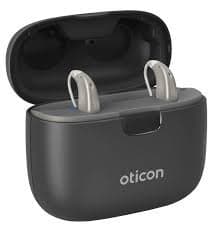
If hearing does not fully recover, modern hearing aids can improve communication and sound clarity.
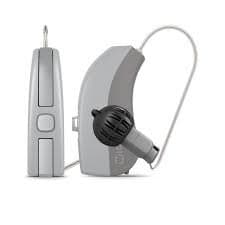
Popular prescription hearing aid brands include:
| Brand | Popular Models | Approx Starting Price |
|---|---|---|
| Signia | Pure Charge&Go, Styletto | ₹25,000+ |
| Phonak | Audeo Lumity, Naida | ₹30,000+ |
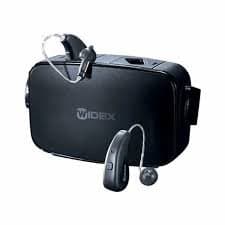
| Widex | Moment Series | ₹28,000+ |
| ReSound | OMNIA, Nexia | ₹30,000+ |
These are estimated prices and may vary depending on technology level, fitting, and clinic support.
For severe or permanent hearing loss, cochlear implants may help restore hearing abilities.
These devices are generally recommended when hearing aids provide limited benefit.
Recovery depends on:
Some people recover completely, while others may experience partial or permanent hearing loss.
Research shows earlier treatment offers better recovery outcomes, especially in sudden sensorineural hearing loss cases.

Yes. Sudden hearing loss, especially sensorineural hearing loss, should be treated as a medical emergency. Immediate medical attention can improve recovery chances.
Stress may contribute to circulation and immune-related issues that can affect hearing, although it is usually not the only cause.
Some mild cases improve naturally, but waiting too long can reduce treatment success. Always consult a hearing specialist quickly.
Doctors typically use hearing tests, physical examinations, and imaging scans like MRI to diagnose the problem.
Yes. If hearing does not fully recover, hearing aids can significantly improve daily communication and listening comfort.
Premium hearing aid brands like Signia and Phonak offer advanced speech enhancement and noise reduction features.