Senior Audiologist • 5/9/2026

Hearing loss can affect communication, confidence, work performance, and overall quality of life. The good news is that modern hearing aids are smarter, smaller, and more effective than ever before. However, with so many options available, choosing the right hearing aid can feel overwhelming.
This step-by-step guide will help you understand different hearing aid types, features, pricing, and important factors to consider so you can make the best decision for your hearing needs.
| Model | Type | Approx. Price |
|---|---|---|
| Pure Charge&Go BCT 7IX | RIC | ₹4,09,990 (Per Hearing Aid) |
| Pure Charge&Go BCT 5IX | RIC | ₹2,79,990 (Per Hearing Aid) |
| Pure Charge&Go BCT 3IX | RIC | ₹1,89,990 (Per Hearing Aid) |
| Pure Charge&Go BCT 2IX | RIC | ₹1,09,990 (Per Hearing Aid) |
| Pure Charge&Go BCT 1IX | RIC | ₹84,990 (Per Hearing Aid) |
| Model | Type | Approx. Price |
|---|---|---|
| Audéo Sphere Infinio 90 | Kit | ₹8,75,000 |
| Audéo Sphere Infinio 70 | Kit | ₹5,90,000 |
| Audéo Sphere Infinio 90 | Per Hearing Aid | ₹3,47,500 |
| Audéo Sphere Infinio 70 | Per Hearing Aid | ₹2,34,000 |
| Terra+ | Per Hearing Aid | 62,000 |
| Model | Type | Approx. Price |
|---|---|---|
| Intent 1 MiniRITE Power | Rechargeable | ₹4,25,000 |
| Intent 2 MiniRITE Power | Rechargeable | ₹3,90,000 |
| Own 1 ITC | Custom | ₹2,50,000 |
| Own 1 CIC | Invisible | ₹2,50,000 |
| Own 5 ITC / CIC / IIC | Custom | ₹82,000 |
| Model | Type | Approx. Price |
|---|---|---|
| Vivia 9 MicroRIE Rechargeable Kit | Rechargeable Kit | ₹8,89,995 |
| Vivia 7 MicroRIE Rechargeable Kit | Rechargeable Kit | ₹5,07,995 |
| Vivia 5 MicroRIE Rechargeable Kit | Rechargeable Kit | ₹2,89,995 |
| Vivia 9 RIE | Per Hearing Aid | ₹4,14,995 |
| Vivia 7 RIE | Per Hearing Aid | ₹2,30,995 |
| Vivia 5 RIE | Per Hearing Aid | ₹1,43,995 |
| Vivia 4 RIE | Per Hearing Aid | ₹89,995 |
| Model | Type | Approx. Price |
|---|---|---|
| Genesis AI 24 RIC RT | Rechargeable | ₹3,90,000 |
| Genesis AI 24 mRIC R | Rechargeable | ₹3,80,000 |
| Genesis AI 24 RIC 312 | Battery | ₹3,70,000 |
| Genesis AI 20 RIC RT | Rechargeable | ₹2,70,000 |
| Genesis AI 16 RIC RT | Rechargeable | ₹2,10,000 |
| Genesis AI 12 RIC RT | Rechargeable | ₹1,50,000 |
A hearing aid is not just a device — it is a long-term investment in your daily life. The right hearing aid can help you:
Choosing the wrong device may lead to discomfort, poor sound quality, or limited improvement.
The first step is getting a professional hearing test from an audiologist or hearing specialist. Hearing loss can vary in type and severity.
Some people struggle mainly in noisy environments, while others have difficulty hearing all sounds clearly.
A hearing test helps determine:
Different hearing aids are designed for different hearing needs and comfort levels.
| Hearing Aid Type | Placement | Best For | Visibility |
|---|---|---|---|
| Behind-the-Ear (BTE) | Behind ear | Mild to profound loss | Visible |
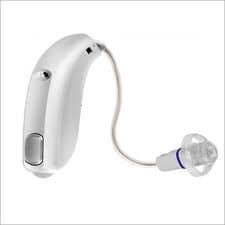
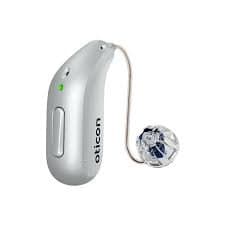
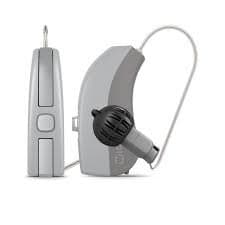
| Receiver-in-Canal (RIC) | Behind ear with small wire | Most users | Less visible |
| In-the-Ear (ITE) | Outer ear | Moderate hearing loss | Moderate |
| Completely-in-Canal (CIC) | Inside ear canal | Mild to moderate loss | Nearly invisible |
| Invisible-in-Canal (IIC) | Deep inside canal | Cosmetic preference | Least visible |
Hearing aids are available in different price ranges depending on technology and features.
| Budget Range | Features Included |
|---|---|
| Basic | Noise reduction, standard amplification |
| Mid-Range | Bluetooth, rechargeable battery, app control |
| Premium | AI sound processing, advanced speech clarity, tinnitus support |
While cheaper models may work for simple environments, advanced hearing aids provide better performance in noisy places like restaurants, offices, and family gatherings.
Modern hearing aids come with smart technology that improves convenience and sound quality.
If you frequently use smartphones or attend meetings, Bluetooth-enabled hearing aids can be extremely useful.
Your daily routine plays a major role in selecting the best hearing aid.
| Feature | Rechargeable Hearing Aids | Disposable Battery Hearing Aids |
|---|---|---|
| Convenience | Very easy to use | Requires battery replacement |
| Maintenance | Low | Moderate |
| Travel Friendly | Charging needed | Easy battery swap |
| Running Cost | Lower long-term cost | Ongoing battery expense |
| Ideal For | Seniors & daily users | Backup or occasional users |
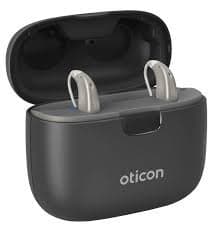
Rechargeable hearing aids are becoming increasingly popular due to convenience and lower maintenance.
Comfort is one of the most important factors when selecting a hearing aid. A device that feels uncomfortable may not be used consistently.
A properly fitted hearing aid should feel natural after a short adjustment period.
Hearing aids require regular adjustments, cleaning, and servicing.
Good after-sales service can significantly improve your overall experience.
Several leading brands offer advanced hearing aid technology.
| Brand | Known For |
|---|---|
| Signia | Speech clarity & smart features |
| Phonak | Powerful hearing support |
| Widex | Natural sound quality |
| Oticon | Brain-focused hearing technology |
| ReSound | Bluetooth connectivity |
Each brand offers models for different budgets and hearing levels.
Never purchase a hearing aid without trying it first.
A trial helps ensure the hearing aid suits your lifestyle and hearing needs.
You should consider a hearing test if you experience:
Early treatment can prevent communication difficulties from worsening.
Adjusting to hearing aids takes time. Be patient during the initial weeks.
Most users adapt fully within a few weeks.

The best hearing aid depends on your hearing loss level, lifestyle, budget, and comfort preference. A professional hearing test is the best starting point.
Invisible-in-Canal (IIC) and Completely-in-Canal (CIC) hearing aids are the least noticeable options.
Rechargeable hearing aids are more convenient for most users because they eliminate frequent battery replacement.
Prices vary depending on features, technology, and brand. Basic models are more affordable, while premium devices offer advanced sound processing and smart features.
Yes, many modern hearing aids include tinnitus masking features that help reduce ringing sounds.
Most hearing aids last between 5 to 7 years with proper maintenance and regular servicing.
Choosing the right hearing aid is an important decision that can greatly improve your quality of life. By understanding your hearing needs, comparing features, considering comfort, and testing devices before purchase, you can confidently select the best option for yourself or your loved ones.
Modern hearing aids are more advanced, comfortable, and discreet than ever before, making it easier to stay connected and enjoy everyday conversations again.