Senior Audiologist • 9/24/2026

If you or a parent has been putting off a hearing test, this is worth reading first. Over the past few years, some of the world’s most rigorous dementia research — including a Lancet-published clinical trial from Johns Hopkins — has pointed to the same conclusion: untreated hearing loss is one of the biggest modifiable risk factors for dementia, and treating it may help protect the brain. Here’s exactly what the research says, what it doesn’t say, and what you can do about it.

What Does the Research Say About Hearing Loss and Dementia Risk?
The most authoritative source on this is the Lancet Commission on Dementia Prevention, Intervention and Care — a standing panel of dementia researchers who periodically review the global evidence. Their 2020 report identified hearing loss as one of 12 modifiable risk factors for dementia; the updated 2024 report expanded this to 14 factors, estimating that addressing all of them across a person’s life could prevent up to 45% of dementia cases worldwide. Hearing loss consistently ranks as one of the largest single risk factors in this group, particularly in midlife (ages 45–65).
| Finding | Source |
| Hearing loss is one of 14 modifiable midlife risk factors for dementia — addressing all 14 could prevent up to 45% of dementia cases worldwide | 2024 Lancet Commission on Dementia Prevention, Intervention and Care |
| Every 10 dB decrease in hearing ability is linked to a 4–24% higher risk of dementia (range across pooled studies) | Meta-analyses cited in the 2024 Lancet Commission report |
| In a higher-risk subgroup, using hearing aids for 3 years slowed cognitive decline by 48% compared to no intervention | ACHIEVE trial (Lin et al., The Lancet, July 2023) — largest RCT of its kind, 977 participants aged 70–84 |
This doesn’t mean hearing loss causes dementia in every case — researchers are careful to distinguish correlation from proven causation. But the association is consistent enough across dozens of large studies that major health bodies now treat hearing care as part of dementia-risk reduction, alongside things like blood pressure control and staying socially active. Our guide on when hearing aids are required also touches on this — untreated hearing loss is linked to a higher risk of cognitive decline, among other effects.
Can Wearing Hearing Aids Actually Reduce Dementia Risk?
This is where the evidence gets more compelling. In July 2023, the ACHIEVE study — the largest randomised controlled trial ever conducted on this question — published its results in The Lancet. Researchers led by Dr. Frank Lin at Johns Hopkins followed 977 adults aged 70–84 with untreated hearing loss for three years, randomly assigning half to receive hearing aids and structured audiologist support, and half to a general health-education program.
Across the full study group, the results were not statistically significant. But in a pre-specified subgroup of 238 participants who already had more risk factors for cognitive decline (drawn from an ongoing heart-health study), using hearing aids for three years slowed cognitive decline by 48% compared to the control group — a larger effect than most drugs currently available for cognitive protection.
The takeaway from ACHIEVE isn’t that hearing aids are a guaranteed dementia cure — it’s that for people who are already at elevated risk, treating hearing loss appears to meaningfully slow the pace of decline. That’s a significant, low-risk intervention available to almost anyone with hearing loss today.
Why Would Hearing Loss Affect the Brain This Way?
Researchers point to a few overlapping mechanisms:
These mechanisms likely work together rather than in isolation, which is part of why researchers believe treating hearing loss — rather than any single intervention — can meaningfully change the trajectory.

Who Should Be Most Concerned About This Link?
The research so far focuses on adults aged 45 and older, since that’s when age-related hearing loss (presbycusis) typically becomes measurable and midlife is the window the Lancet Commission highlights for hearing-related dementia risk. People with a family history of dementia, or other risk factors like hypertension or diabetes, may have more to gain from early hearing intervention, based on the ACHIEVE subgroup findings. If this applies to you or a parent, our audiologists at Insono’s clinics can talk through age-appropriate options during a free hearing test.
What Should You Do If You’ve Noticed Changes in Your Hearing?
Which Hearing Aid Features Are Most Relevant to Brain Health?
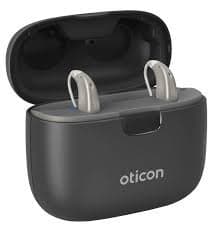
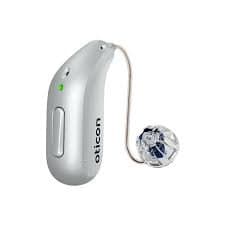
No single brand has been proven in a trial to reduce dementia risk more than another — the ACHIEVE study used standard prescription hearing aids, not a specific brand. That said, some manufacturers design specifically around reducing listening effort. Oticon, for instance, builds its devices around what it calls BrainHearing — giving the brain access to a fuller sound environment rather than narrowing focus to one speaker, with the stated goal of reducing cognitive load during listening. Our comparisons of Signia vs Phonak vs Widex and the broader roundup of top hearing aid brands in India both cover this in more detail if you’re comparing options.
How Insono Hearing Can Help
If it’s been a while since your (or a parent’s) last hearing test, that’s the natural first step — not guessing based on symptoms. Insono’s audiologists offer free hearing tests across our clinics and can talk you through options that fit your budget; see our full hearing aid cost breakdown if you’re planning ahead financially.

Frequently Asked Questions

Does hearing loss directly cause dementia?
The research shows a strong association, not proven direct causation. The Lancet Commission lists hearing loss as one of 14 modifiable risk factors that together could prevent up to 45% of dementia cases — but no single factor, including hearing loss, has been shown to cause dementia on its own.
How much can hearing aids actually reduce dementia risk?
In the ACHIEVE trial, adults already at higher risk for cognitive decline who used hearing aids for three years saw cognitive decline slow by 48% compared to those who didn’t. The effect was not statistically significant in the lower-risk half of the study population, so the benefit appears strongest for people who already have other risk factors.
At what age should I get a hearing test to help protect brain health?
Most of the research focuses on adults 45 and older, since this is when age-related hearing loss and its links to midlife dementia risk typically begin. If you’re in this age group and haven’t had a hearing test in the last 1–2 years, it’s a reasonable time to get one, especially if you have other risk factors like hypertension or diabetes.
Can treating hearing loss reverse cognitive decline that’s already happened?
The ACHIEVE trial measured whether hearing aids could slow further decline, not reverse existing impairment. Current evidence supports hearing care as a way to protect cognitive function going forward, not as a treatment for dementia that has already developed.
Is mild hearing loss also linked to higher dementia risk, or only severe cases?
Research suggests the risk increases progressively with the degree of hearing loss — studies cited by the Lancet Commission found a 4–24% higher dementia risk for every 10 dB decrease in hearing ability, meaning even mild, unaddressed hearing loss appears to carry some added risk, not just severe cases.
Does any specific hearing aid brand reduce dementia risk more than others?
No clinical trial has compared brands specifically for dementia-risk reduction — the ACHIEVE trial used standard prescription hearing aids as a category. Some brands, like Oticon, design specifically to reduce listening effort, which may be relevant to the cognitive-load mechanism researchers describe, but this hasn’t been tested against other brands in a dementia-specific trial.
Is this hearing loss–dementia link relevant to younger adults too?
Most large studies, including the Lancet Commission’s analysis, focus on midlife (45–65) and older adults, since that’s when age-related hearing loss and dementia risk both become more common. There isn’t strong evidence yet on this specific link in younger adults with hearing loss from other causes.
Book a Free Hearing Test
Whether it’s for yourself or a parent, an audiometric hearing test is the only reliable way to know where you stand — and the earlier hearing loss is addressed, the more the research suggests it may help.
📞 Call us: +91 6204260510 | +91 7742573686
💬 WhatsApp: Chat with us on WhatsApp
📍 Find your nearest clinic: Insono Hearing Clinics
💰 See hearing aid pricing: Hearing Aid Price Guide