Senior Audiologist • 10/26/2026

“Machine lagane se kaan aur kharab ho jate hain.” If you’ve heard that line at a family gathering, you’re not alone. Hearing aids come wrapped in more half-truths than almost any other health device.
Some of these myths are harmless. Others make people wait years before getting help. Here are seven we hear most often, and what’s actually true.

What Are the Most Common Hearing Aid Myths?
| Myth 1 | Hearing aids are only for old people |
| Myth 2 | Hearing aids make your hearing worse |
| Myth 3 | One hearing aid is always enough |
| Myth 4 | A hearing aid works like glasses: instant normal hearing |
| Myth 5 | Cheaper or off-the-shelf devices work just as well for everyone |
| Myth 6 | Everyone will see you wearing one |
| Myth 7 | My hearing isn’t that bad; I’ll deal with it later |
Myth 1: Are Hearing Aids Only for Old People?
No. Hearing loss can start at any age, from noise exposure, infections, medicines or simply genes. Older adults are the biggest group, and our guide to hearing aids for seniors covers them in detail. But working adults and teenagers use hearing aids too, and for children, early detection matters even more. See the signs in our post on hearing loss in children.
Myth 2: Do Hearing Aids Make Your Hearing Worse?
A properly fitted and programmed hearing aid doesn’t damage your ears. It makes sounds audible. The loss you notice getting worse is usually the underlying condition progressing, which would have happened anyway.
The real risk is the opposite. When you don’t use a hearing aid, the brain gets less practice with sound, and understanding speech can get harder over time. A poorly programmed device, such as one meant for someone else, can be uncomfortable, and that’s a fitting problem rather than a hearing aid problem.
Myth 3: Is One Hearing Aid Always Enough?
It depends. If both ears have hearing loss, wearing aids in both usually gives clearer speech, better sense of direction and less strain in noisy rooms. If only one ear is affected, one may be enough. A hearing test tells you which, and that’s a decision for the audiologist rather than a guess.
Myth 4: Will a Hearing Aid Give Me Normal Hearing Back?
No, and it’s better to hear that up front. Glasses can correct sight almost fully. A hearing aid makes sound clearer and speech easier to follow, but the damaged part of the ear stays damaged.
It also takes time. Your brain needs a few weeks to get used to sounds it hasn’t heard in years, like the fan, a spoon on a plate or footsteps. That’s normal, not a defect.

Myth 5: Do Cheaper or Off-the-Shelf Hearing Aids Work Just as Well?
Not for everyone. A basic amplifier boosts all sounds, including the ones you don’t want. Prescription hearing aids are programmed to your audiogram. We compare the two in prescription vs OTC hearing aids. And paying more isn’t automatically better either: the right technology level depends on how you live. Our guide to whether hearing aids are worth it looks at that trade-off.
Myth 6: Will Everyone See That I’m Wearing One?
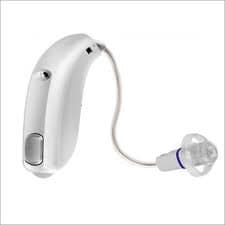
Not any more. Many modern devices are small, and some invisible hearing aids sit almost completely inside the ear canal. Which style suits you depends on your hearing loss and ear shape, so ask the audiologist what’s possible rather than ruling it out.
Myth 7: My Hearing Isn’t That Bad. Can I Wait?
Waiting is the costliest myth of all. Untreated hearing loss is linked with social withdrawal, and research has linked it with a higher risk of cognitive decline; we explain what studies show in hearing loss and dementia. A free test now gives you a baseline, even if you don’t need a device yet.
How Do I Know Which Hearing Aid Is Right for Me?
Start with the test, then read our step-by-step guide to choosing the right hearing aid. Insono stocks Signia, Phonak, Widex, Oticon, Starkey and ReSound, and you get a 3-day trial to see how it works in your own routine. Brand-wise prices are on the hearing aid price page.
Frequently Asked Questions

Do hearing aids make hearing worse?
No. A properly fitted hearing aid doesn’t damage your ears. Hearing loss can progress over time regardless, which is often mistaken for the device causing it.
Are hearing aids only for the elderly?
No. People of any age can have hearing loss, including children and working adults.
Do I need hearing aids in both ears?
If both ears have hearing loss, usually yes. If only one is affected, one may be enough. An audiologist decides after a hearing test.
Will a hearing aid restore normal hearing?
No. It makes sounds clearer and speech easier to follow, but it doesn’t repair the ear. The brain also needs a few weeks to adjust.
Are invisible hearing aids available in India?
Yes. Nearly invisible models are available, depending on your hearing loss and ear shape.
Can I try a hearing aid before buying?
Yes. Insono offers a 3-day trial so you can test it in your real routine.
Is the hearing test free at Insono?
Yes. The initial test is free and carries no obligation to buy.
Book Your Free Hearing Test
Skip the guesswork. A short test tells you where your hearing stands and what, if anything, will help.
📞 Call us: +91 6204260510 | +91 7742573686
💬 WhatsApp: Chat with us on WhatsApp
📍 Find a clinic: Insono Hearing Clinics
💰 See hearing aid pricing: Hearing Aid Price Guide