Senior Audiologist • 5/16/2026

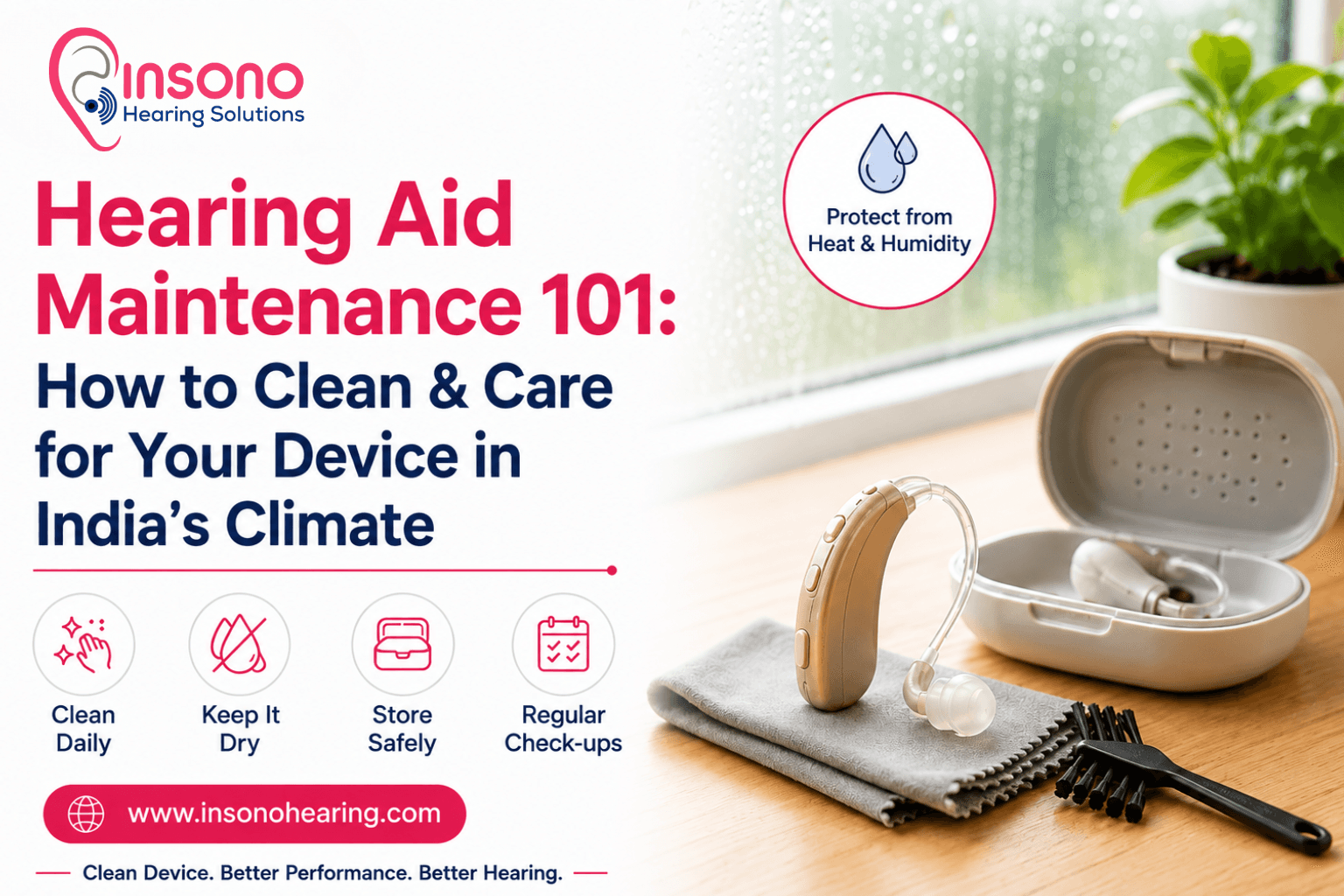
Hearing aids are a valuable investment that helps improve communication, confidence, and overall quality of life. Whether you use Behind-the-Ear (BTE), In-the-Ear (ITE), or rechargeable hearing aids, proper maintenance is essential to keep them performing at their best. Regular care not only improves sound quality but also extends the lifespan of your device and reduces costly repairs.
In this guide, we’ll cover the best hearing aid maintenance tips, cleaning methods, storage practices, and common mistakes to avoid so your hearing aids continue working like new for years.
Hearing aids are exposed daily to moisture, earwax, dust, sweat, and environmental debris. Without proper cleaning and care, these elements can block microphones, damage internal components, and reduce performance.
Regular maintenance can significantly improve the reliability and durability of your hearing device.
Daily cleaning is one of the most important habits for hearing aid users. Earwax and dust can block microphones and receivers, leading to weak or distorted sound.
Always turn off your hearing aids before cleaning them.
Moisture is one of the biggest causes of hearing aid damage. Sweat, humidity, rain, and accidental water exposure can affect internal electronics.
If your hearing aids become wet, remove the battery immediately and let them dry completely before use.
Wax guards and domes help protect the receiver from earwax buildup. Over time, they become clogged and reduce sound quality.
Most hearing aid users should replace wax filters every few weeks depending on earwax production.
Proper battery care ensures consistent performance and avoids sudden shutdowns.
For rechargeable hearing aids, use only the original charger provided by the manufacturer.
Correct storage protects hearing aids from physical damage and environmental exposure.
Proper storage can prevent accidental falls, cracks, and internal moisture damage.
Here’s a simple maintenance routine you can follow every week:
| Maintenance Task | Recommended Frequency | Purpose |
|---|---|---|
| Wipe hearing aids | Daily | Remove dirt and moisture |
| Clean microphones | Daily | Improve sound clarity |
| Replace wax guards | Every 2–4 weeks | Prevent blockage |
| Inspect tubing | Weekly | Detect wear or cracks |
| Use dehumidifier | Nightly | Remove moisture |
| Deep clean earmolds | Weekly | Maintain hygiene |
| Check battery life | Weekly | Avoid interruptions |
| Problem | Possible Cause | Quick Solution |
|---|---|---|
| No sound | Dead battery | Replace or recharge battery |
| Weak sound | Wax blockage | Clean receiver and filters |
| Whistling noise | Poor fit or wax buildup | Reinsert device and clean |
| Distorted audio | Moisture damage | Dry device completely |
| Device shuts off | Battery issue | Check battery contacts |
Even with regular cleaning at home, professional maintenance is important. Audiologists can perform deep cleaning, software updates, and performance checks.
Professional checkups help ensure optimal hearing performance and early detection of potential issues.
Using the right accessories can make hearing aid care easier and more effective.
These accessories help maintain hygiene and extend device life.
Rechargeable hearing aids are convenient but still require proper care.
Maintaining charging components ensures reliable battery performance.

Hearing aids should be wiped and cleaned daily to remove earwax, moisture, and dust buildup.
No. Alcohol and chemical cleaners can damage hearing aid components. Use only approved cleaning tools and dry cloths.
With proper maintenance, most hearing aids last between 5 to 7 years.
Common reasons include dead batteries, wax blockage, moisture damage, or internal component issues.
Yes. Excessive moisture can damage internal electronics if not addressed quickly.
No. Remove hearing aids before sleeping to allow airflow and reduce moisture buildup.
Proper hearing aid maintenance is essential for keeping your device performing like new. Simple habits like daily cleaning, moisture protection, battery care, and regular professional servicing can greatly improve sound quality and extend the lifespan of your hearing aids.
Whether you use rechargeable hearing aids, BTE models, or invisible hearing aids, following these hearing aid care tips will help you enjoy clear and reliable hearing every day.
If you notice persistent issues with your hearing aids, schedule a professional hearing aid checkup to ensure your device continues working at its best.