Senior Audiologist • 5/13/2026

Hearing aid technology has evolved rapidly in recent years, and one of the biggest innovations is the rise of Bluetooth hearing aids. These advanced devices allow users to connect directly to smartphones, TVs, laptops, and other digital devices for a seamless listening experience. Whether you are taking calls, streaming music, or attending online meetings, Bluetooth-enabled hearing aids make everyday communication more convenient and clearer.
In this guide, we’ll explore the features, benefits, types, and best Bluetooth hearing aid models available today so you can choose the right device for your hearing needs.
(Direct Bluetooth Streaming & Signia App Support)
| Model | Type | Bluetooth | Price (Single Ear) |
|---|---|---|---|
| Pure Charge&Go 7IX | RIC Rechargeable | Yes | ₹1,74,990+ |
| Pure Charge&Go 5IX | RIC Rechargeable | Yes | ₹1,24,990+ |
| Pure Charge&Go 3IX | RIC Rechargeable | Yes | ₹89,990+ |
| Styletto 7IX | Slim RIC | Yes | ₹1,99,990+ |
| Styletto 5IX | Slim RIC | Yes | ₹1,49,990+ |
(Universal Bluetooth Connectivity)
| Model | Type | Bluetooth | Price (Single Ear) |
|---|---|---|---|
| Audéo Infinio 90-R | Rechargeable RIC | Yes | ₹3,56,000 |
| Audéo Infinio 70-R | Rechargeable RIC | Yes | ₹2,43,000 |
| Audéo Infinio 50-R | Rechargeable RIC | Yes | ₹1,49,000 |
| Audéo Infinio 30-R | Rechargeable RIC | Yes | ₹89,000 |
| Audéo Sphere Infinio 90 | AI Bluetooth RIC | Yes | ₹4,56,500 |
(Bluetooth LE Audio & Direct Streaming)
| Model | Type | Bluetooth | Price (Single Ear) |
|---|---|---|---|
| Intent 1 MiniRITE R | Rechargeable RIC | Yes | ₹4,25,000 |
| Intent 2 MiniRITE R | Rechargeable RIC | Yes | ₹3,90,000 |
| Real 1 MiniRITE R | Rechargeable RIC | Yes | ₹3,50,000 |
| Real 2 MiniRITE R | Rechargeable RIC | Yes | ₹2,80,000 |
| Real 3 MiniRITE R | Rechargeable RIC | Yes | ₹1,75,000 |
(Auracast, Bluetooth LE Audio & Direct Streaming)
| Model | Type | Bluetooth | Price (Single Ear) |
|---|---|---|---|
| Vivia 9 MicroRIE | Rechargeable RIC | Yes | ₹4,55,495 |
| Vivia 7 MicroRIE | Rechargeable RIC | Yes | ₹2,64,495 |
| Vivia 5 MicroRIE | Rechargeable RIC | Yes | ₹1,55,495 |
| Vivia 4 MicroRIE | Rechargeable RIC | Yes | ₹97,495 |
| Nexia 9 ITC Rechargeable | Bluetooth Custom | Yes | ₹4,55,495 |
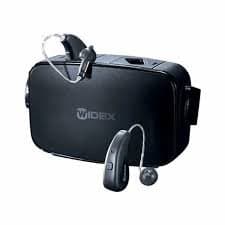
(Bluetooth Streaming & Widex Moment App)
| Model | Type | Bluetooth | Price (Single Ear) |
|---|---|---|---|
| Moment 440 SmartRIC | Rechargeable RIC | Yes | ₹4,05,000+ |
| Moment 330 SmartRIC | Rechargeable RIC | Yes | ₹2,45,000+ |
| Moment 220 SmartRIC | Rechargeable RIC | Yes | ₹1,70,000+ |
| Moment 110 SmartRIC | Rechargeable RIC | Yes | ₹1,25,000+ |
| Magnify 440 RIC | Rechargeable RIC | Yes | ₹1,90,000+ |
| Brand | Best Bluetooth Model |
|---|---|
| Signia | Pure Charge&Go 7IX |
| Phonak | Audéo Sphere Infinio 90 |
| Oticon | Intent 1 MiniRITE R |
| ReSound | Vivia 9 MicroRIE |
| Widex | Moment 440 SmartRIC |
Bluetooth hearing aids are modern hearing devices equipped with wireless connectivity technology. They can pair with compatible devices such as smartphones, tablets, televisions, and computers to stream audio directly into the hearing aids.
Unlike traditional hearing aids, Bluetooth models provide a more personalized and connected hearing experience by reducing background noise and improving sound clarity during calls, music streaming, and media playback.
Bluetooth hearing aids allow users to stream:
directly into their hearing aids without additional accessories.
Most modern hearing aids come with companion apps that let users:
Many Bluetooth hearing aids include rechargeable technology, eliminating the need for frequent battery replacement.
Advanced AI-powered sound processing helps filter unwanted background noise and improves speech understanding in crowded places.
Premium Bluetooth hearing aids allow hands-free phone conversations directly through the hearing aids.
Some models can connect to multiple devices simultaneously, such as smartphones and TVs.
Bluetooth hearing aids offer several advantages over traditional hearing devices.
Clearer phone conversations and better speech understanding help users communicate confidently.
Users can enjoy music, movies, and online content with enhanced sound quality.
Wireless control through mobile apps makes hearing aid management easier.
Advanced sound processing reduces strain caused by noisy environments.
Bluetooth connectivity improves accessibility for work meetings, online classes, and video calls.


| Brand | Best For | Key Features | Rechargeable | Bluetooth Support |
|---|---|---|---|---|
| ReSound Nexia | Premium sound quality | AI sound processing, direct streaming | Yes | Yes |
| Phonak Audéo Lumity | Speech clarity | Universal Bluetooth connectivity | Yes | Yes |
| Signia Pure Charge&Go | Natural voice experience | Rechargeable, noise cancellation | Yes | Yes |
| Oticon Real | Better conversation support | BrainHearing technology | Yes | Yes |
| Widex Moment | Music lovers | Pure natural sound | Yes | Yes |
| Feature | Bluetooth Hearing Aids | Traditional Hearing Aids |
|---|---|---|
| Wireless Connectivity | Yes | No |
| Smartphone Control | Yes | Limited |
| Audio Streaming | Yes | No |
| Hands-Free Calling | Available | Not Available |
| Sound Personalization | Advanced | Basic |
| Price Range | Higher | Lower |
Bluetooth hearing aids are ideal for:
Before purchasing Bluetooth hearing aids, consider the following:
Choose a hearing aid suitable for your level of hearing loss.
Ensure compatibility with Android or iPhone devices.
Check whether the device offers rechargeable batteries and long backup.
A properly fitted hearing aid improves both comfort and performance.
Bluetooth hearing aids vary in price depending on technology and features.
Yes, Bluetooth hearing aids are generally safe and use low-energy wireless technology. They are designed to comply with international safety standards and consume minimal radiation compared to many everyday electronic devices.

Most modern Bluetooth hearing aids work with Android and iPhones, but compatibility may vary by model.
Yes, many premium models support direct hands-free calling.
They are generally more expensive than traditional hearing aids due to advanced technology and connectivity features.
Typically, Bluetooth hearing aids work effectively within 10 meters of the connected device.
Modern hearing aids use low-energy Bluetooth technology to optimize battery performance.
Yes, many models can connect directly or through TV streamers for improved television listening.
Bluetooth hearing aids are transforming the way people experience sound and communication. With features like wireless streaming, smartphone control, noise reduction, and rechargeable batteries, they offer far more convenience and performance than traditional hearing aids.
If you are looking for better connectivity, clearer conversations, and a smarter hearing experience, investing in Bluetooth hearing aids can significantly improve your daily life and hearing comfort.