Shoaib Akhtar • 6/2/2026

If you’re buying a hearing aid for the first time, one of the most common questions is: Which hearing aid machine is best? The answer depends on your hearing loss level, lifestyle, budget, and personal preferences. Today’s hearing aids are far more advanced than simple sound amplifiers. Modern digital hearing aid machines can reduce background noise, connect to smartphones, stream calls and music, and even use artificial intelligence to improve hearing experiences.
This comprehensive guide will help you understand the different types of hearing aid machines, compare popular options, and choose the right device for your needs.
| Brand | Model | Starting Price (Single Ear) |
|---|---|---|
| Signia | Pure C&G 7IX | ₹1,74,990+ |
| Phonak | Audéo Infinio R 30 | ₹89,000+ |
| ReSound | Nexia 4 RIE | ₹78,995+ |
| Starkey | Genesis AI 12 RIC RT | ₹1,20,000+ |
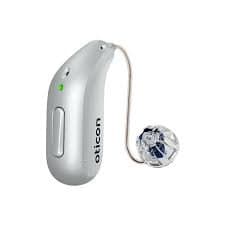
| Oticon | More 3 MiniRITE R | ₹1,49,000+ |
| Brand | Model | Starting Price (Single Ear) |
|---|---|---|
| Signia | Insio IX IIC | ₹80,000+ |
| Phonak | Virto Infinio I-10 NW | ₹60,000+ |
| ReSound | Nexia 4 IIC | ₹78,995+ |
| Starkey | Genesis AI 12 CIC | ₹1,10,000+ |
| Oticon | Own 5 IIC | ₹82,000+ |
| Brand | Model | Starting Price (Single Ear) |
|---|---|---|
| Signia | Orion C&G 50 | ₹30,000+ |
| Phonak | Audéo Infinio R 30 | ₹89,000+ |
| ReSound | Nexia 4 Rechargeable ITC | ₹98,995+ |
| Starkey | Genesis AI 12 mRIC R | ₹1,10,000+ |
| Oticon | More 3 MiniRITE R | ₹1,49,000+ |
| Brand | Best Model | Price (Single Ear) |
|---|---|---|
| Signia | Pure C&G 7IX | ₹1,74,990+ |
| Phonak | Audéo Infinio R 70 | ₹2,43,000+ |
| ReSound | Vivia 7 MicroRIE Rechargeable | ₹2,64,495+ |
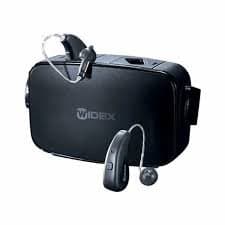
| Widex | Moment 440 RIC | ₹4,10,000+ |
| Starkey | Genesis AI 24 mRIC R | ₹3,80,000+ |
| Oticon | Intent 1 MiniRITE R | ₹4,25,000+ |
A hearing aid machine is a small electronic device designed to help people with hearing loss hear sounds more clearly. It captures sound through a microphone, processes and amplifies it, and delivers the enhanced sound into the ear.
Modern hearing aids can automatically adjust settings based on different listening environments.
A hearing aid machine follows a simple process:
This technology helps users hear conversations more clearly in quiet and noisy environments.
Different hearing aid styles suit different needs.
The device sits behind the ear and connects to an earmold.
Best For:
Advantages:
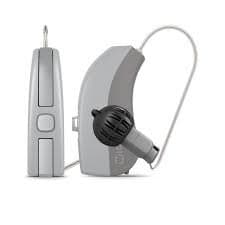
A small device behind the ear with a receiver placed in the ear canal.
Best For:
Advantages:
Partially fits inside the ear canal.
Best For:
Advantages:
Fits almost entirely inside the ear canal.
Best For:
Advantages:
The most discreet hearing aid style available.
Best For:
Advantages:
| Type | Visibility | Hearing Loss Range | Comfort | Battery Life |
|---|---|---|---|---|
| BTE | Visible | Mild to Profound | High | Excellent |
| RIC | Low Visibility | Mild to Severe | Excellent | Very Good |
| ITC | Moderate | Mild to Moderate | Good | Good |
| CIC | Very Low | Mild to Moderate | Good | Average |
| IIC | Almost Invisible | Mild to Moderate | Moderate | Average |
The best hearing aid depends on your specific requirements.
Several global brands dominate the hearing aid market.
| Brand | Key Strength |
|---|---|
| Signia | AI-powered hearing technology |
| Phonak | Excellent speech clarity |
| Oticon | Natural sound processing |
| ReSound | Connectivity features |
| Widex | Premium sound quality |
| Starkey | Health tracking features |
Improves conversation clarity in noisy environments.
Reduces unwanted background sounds.
Allows connection with smartphones, TVs, and laptops.
Eliminates frequent battery replacements.
Focuses on speech coming from specific directions.
Automatically adapts to changing environments.
Many users purchase hearing aids without proper guidance.
Avoid these common mistakes:
Before purchasing any hearing aid machine, a hearing evaluation is essential.
A hearing specialist can:
A properly fitted hearing aid performs significantly better than a generic device.
Modern hearing aids offer much more than amplification.
For most first-time buyers, Receiver-in-Canal (RIC) hearing aids provide the best balance of performance, comfort, appearance, and advanced technology. However, the ideal hearing aid depends on your hearing loss severity, budget, and lifestyle needs.
If discretion is important, consider CIC or IIC devices. If you require maximum power and durability, BTE hearing aids remain an excellent choice.
The best hearing aid machine is ultimately the one that matches your hearing profile and is professionally fitted for optimal performance.

RIC and BTE hearing aids are generally recommended for seniors because they offer excellent sound quality, easy handling, and strong amplification.
A quality digital hearing aid typically costs between ₹15,000 and ₹4,50,000 depending on features and technology level.
No. Hearing aids improve hearing ability and communication but do not cure hearing loss or restore natural hearing completely.
Invisible-in-Canal (IIC) hearing aids are the least visible option currently available.
Most hearing aids last between 5 and 7 years with proper care and maintenance.
Rechargeable hearing aids are convenient, environmentally friendly, and increasingly preferred by users.
It is best to undergo a professional hearing assessment before purchasing a hearing aid to ensure proper selection and fitting.