Senior Audiologist • 6/11/2026

Moderate hearing loss can make everyday conversations challenging, especially in noisy environments such as restaurants, offices, family gatherings, and public places. Fortunately, modern hearing aids in 2026 are more advanced than ever, offering better speech clarity, noise reduction, Bluetooth connectivity, rechargeable batteries, and AI-powered sound processing.
If you’re wondering which hearing aid is best for moderate hearing loss, this guide will help you compare the top hearing aid brands, understand essential features, and choose the right device based on your lifestyle and budget.
Moderate hearing loss typically means you have difficulty hearing normal conversations, especially when there is background noise. People with moderate hearing loss often need sounds to be louder than usual to understand speech clearly.
If you experience these symptoms, a professional hearing assessment can help determine the best hearing solution.
When selecting a hearing aid, certain features can significantly improve your hearing experience.
Modern hearing aids use advanced algorithms to improve speech clarity and reduce listening effort.
This feature helps reduce background noise while focusing on important sounds and conversations.
Bluetooth hearing aids allow direct streaming from:
Benefits include:
Artificial intelligence automatically adjusts hearing aid settings based on your environment.

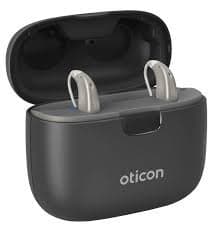
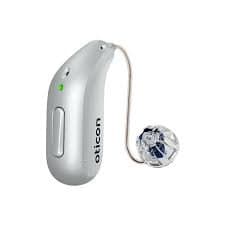
Oticon Intent is one of the most advanced hearing aids available in 2026.

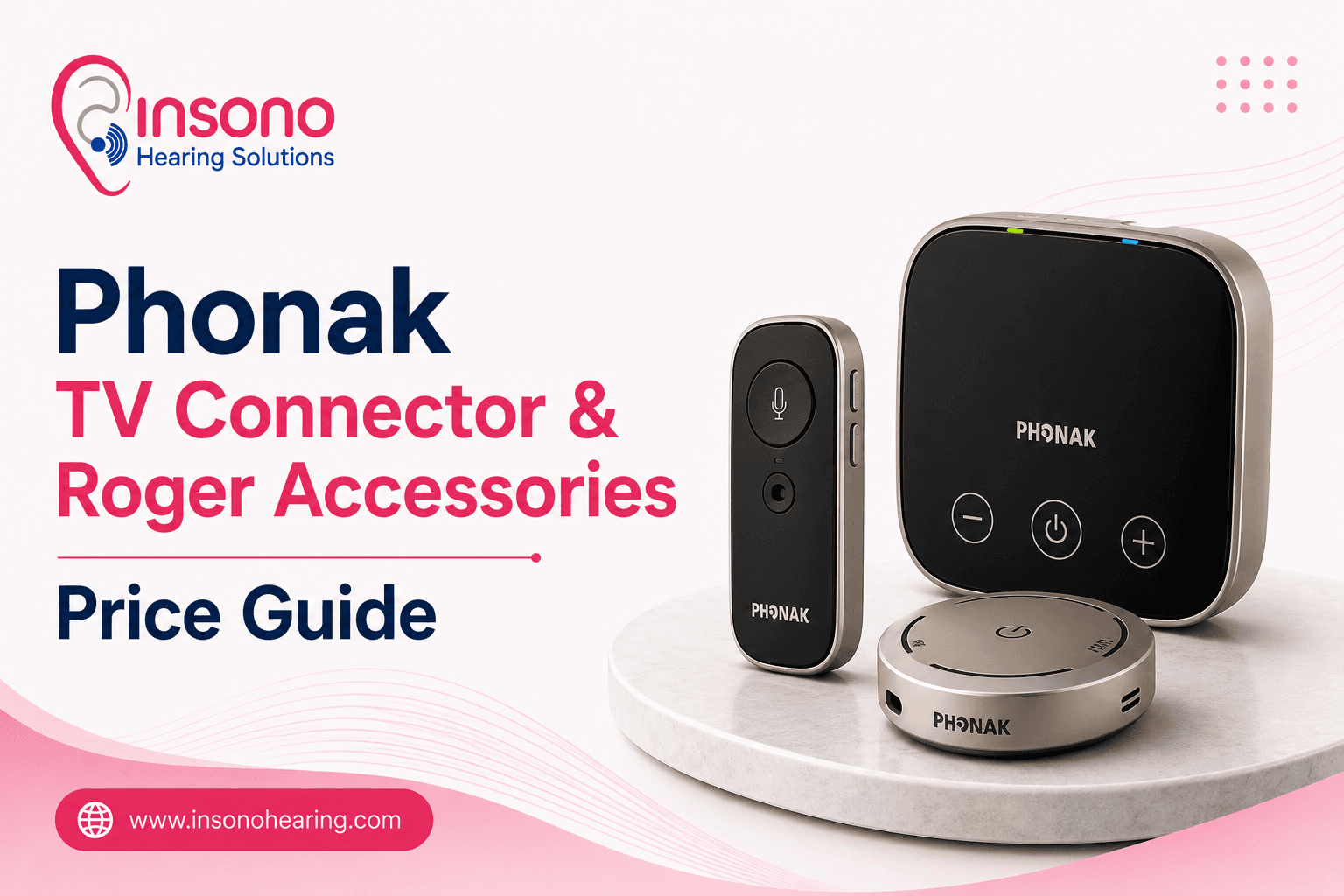
Phonak continues to be a top choice for moderate hearing loss.

Signia offers advanced hearing solutions with strong AI capabilities.

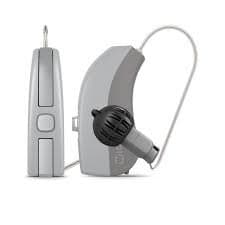
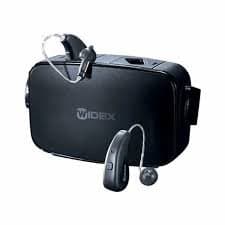
Widex is known for delivering natural and detailed sound quality.

Starkey combines hearing assistance with health-focused features.
| Hearing Aid Model | Speech Clarity | Bluetooth | Rechargeable | AI Features | Best For |
|---|---|---|---|---|---|
| Oticon Intent | Excellent | Yes | Yes | Advanced | Natural sound |
| Phonak Infinio | Excellent | Yes | Yes | Advanced | Universal compatibility |
| Signia IX | Very Good | Yes | Yes | Advanced | Social environments |
| Widex SmartRIC | Excellent | Yes | Yes | Good | Music lovers |
| Starkey Genesis AI | Very Good | Yes | Yes | Advanced | Health-conscious users |
| Category | Price Range |
|---|---|
| Entry-Level | ₹20,000 – ₹50,000 |
| Mid-Range | ₹50,000 – ₹1,20,000 |
| Premium | ₹1,20,000 – ₹4,00,000+ |
The final cost depends on:
Choose a hearing aid based on your daily activities:
Popular styles include:
For most people with moderate hearing loss, RIC hearing aids provide the best balance of comfort, appearance, and performance.
A hearing test helps determine:
Using the right hearing aid can:
Early treatment often leads to better long-term hearing outcomes.
For most users with moderate hearing loss in 2026:
Oticon Intent
Phonak Infinio
Signia Integrated Xperience
Widex SmartRIC
Starkey Genesis AI
Your ideal choice depends on your hearing needs, budget, and lifestyle preferences.
The best hearing aid for moderate hearing loss in 2026 is one that provides excellent speech clarity, advanced noise reduction, comfortable wear, and features that match your lifestyle.
Brands such as Oticon, Phonak, Signia, Widex, and Starkey continue to lead the market with innovative technology and proven performance. Before purchasing, consult an audiologist for a comprehensive hearing evaluation and personalized recommendation.
Investing in the right hearing aid can dramatically improve your quality of life and help you stay connected with the people and activities you enjoy.

Oticon Intent, Phonak Infinio, Signia Integrated Xperience, Widex SmartRIC, and Starkey Genesis AI are among the best options available in 2026.
Yes. Hearing aids can significantly improve speech understanding, communication, and overall quality of life.
Popular brands include Oticon, Phonak, Signia, Widex, and Starkey, all offering solutions for moderate hearing loss.
Hearing aid prices generally range from ₹20,000 to ₹4,00,000+ depending on the technology and features.
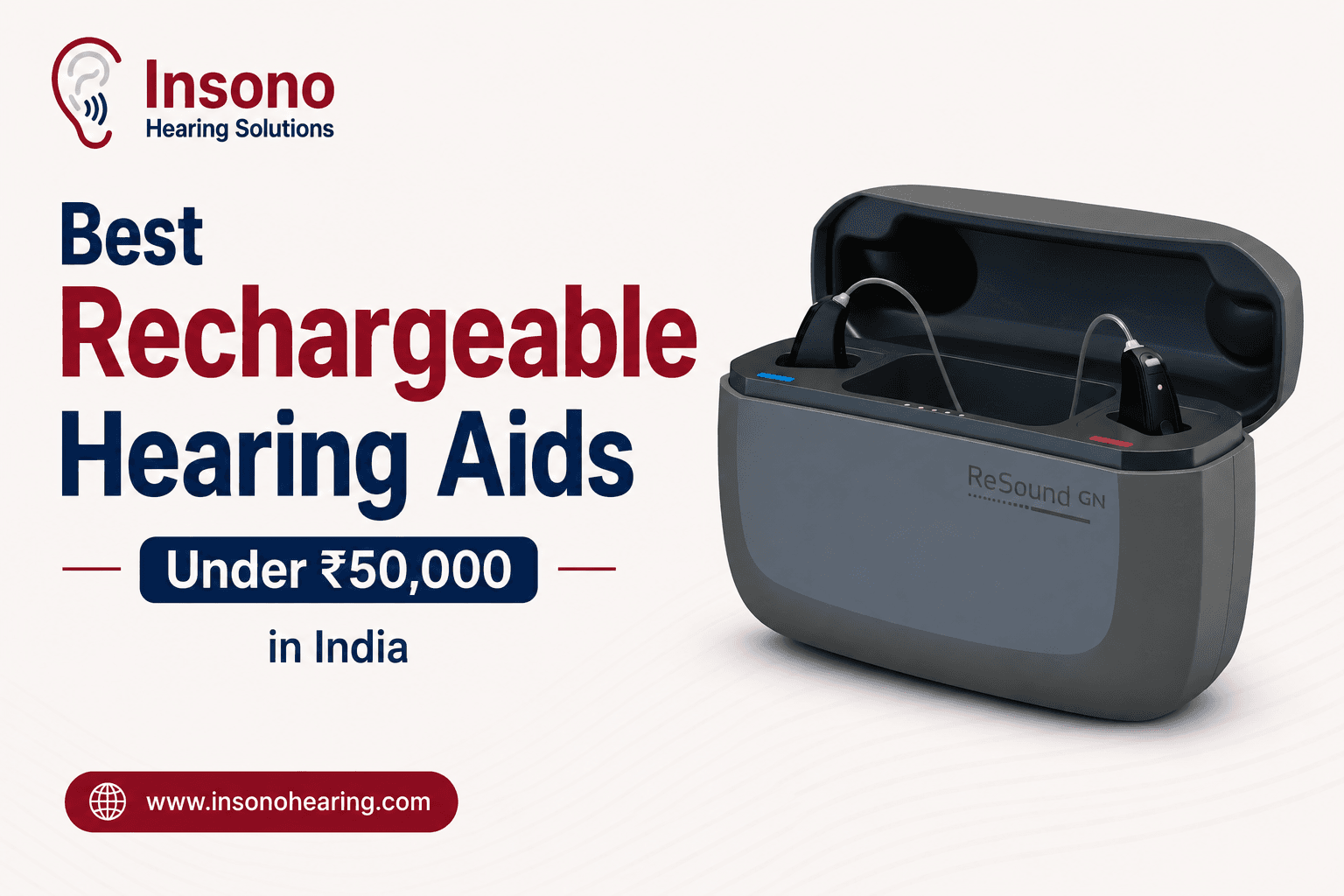
Yes. Rechargeable hearing aids offer convenience, reliability, and eliminate the need for frequent battery replacements.
Modern hearing aids use advanced noise reduction and speech enhancement technology to improve hearing in challenging environments.
Most premium hearing aids now support Bluetooth connectivity for calls, music streaming, and app-based control.
Most hearing aids last between 5 and 7 years with proper care and maintenance.