Senior Audiologist • 1/3/2026

For many seniors, hearing loss comes with aging; however, is a blessing that all technology in 2026 for seniors offers devices that are smarter, simpler, and offer more assistance than ever before. Hearing aids today are not simply amplification devices. Hearing aids are now designed to make conversations less confusing, to make it much easier for them to perform their everyday activities, and to give them more independence and confidence.
If you are a senior looking into purchasing your first set of hearing aids or helping with caring for someone else, being aware of the technology available in hearing aids for seniors in 2026 will be greatly assist in the purchasing decision.
What’s New in Hearing Aids for Seniors in 2026?

In 2026, clarity, usability, safety, and connectivity will be the most crucial aspects of hearing aids for senior citizens.
Among the major developments are:
How Does AI Improve Hearing Aids for Seniors?
AI-powered hearing aids automatically lower background noise and improve speech using real-time sound analysis.
Seniors benefit from AI by:
In noisy settings, this lessens listening effort and enhances comprehension of conversations.
Are Bluetooth Hearing Aids Beneficial for Seniors?
Yes, seniors can wirelessly connect to phones, TVs, and other electronic devices with Bluetooth hearing aids.
Features of Bluetooth include:
This increases everyday convenience and does away with the need for headphones.
Why Are Rechargeable Hearing Aids Better in 2026?
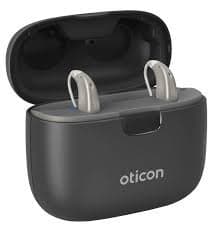
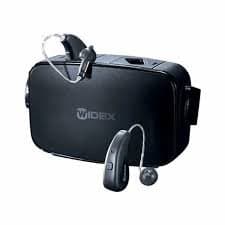
Rechargeable hearing aids provide extended use and eliminate the need for single-use batteries.
Principal advantages:
Several hours of use can be obtained in a matter of minutes thanks to fast-charging technology.
How Do Smartphone Apps Help Seniors Use Hearing Aids?
Seniors and caregivers can easily adjust the settings of their hearing aids with smartphone apps.
Apps allow users to:
Apps are made with straightforward user interfaces that are appropriate for senior citizens.
Do Hearing Aids in 2026 Include Fall Detection?
Yes, motion sensors and fall detection are now included in some sophisticated hearing aids.
Among the safety features are:
Seniors who live alone will particularly benefit from this feature.
Can Hearing Aids Help With Tinnitus in Seniors?

Yes. In addition, Many current-day hearing aids come equipped with built-in tinnitus management options.
The following features are commonly used to treat tinnitus.
The use of these features will help ease the pain caused by tinnitus and improve a person’s quality of life.
Comparison Table: Traditional vs 2026 Hearing Aids for Seniors:
| Feature | Traditional Hearing Aids | Hearing Aids in 2026 |
|---|---|---|
| Sound Processing | Basic amplification | AI-powered adaptive sound |
| Noise Control | Limited | Advanced noise reduction |
| Connectivity | Minimal | Bluetooth streaming |
| Battery Type | Disposable | Rechargeable long-life |
| Adjustments | Manual | App-based & remote |
| Safety Features | None | Fall detection & alerts |
How to Choose the Best Hearing Aid Features for Seniors?
In order to find a hearing aid that will fit your needs in 2026, seniors should consider:
The extent of hearing impairment.
Lifestyle and daily environment/circumstance (i.e., home, work, and play)
Ease of operating and recharging
Smartphone connectivity
Audiologist support and warranty.
Consulting a professional will provide an accurate fitting to assure that the device performs as designed.
The most useful features include AI noise reduction, rechargeable batteries, Bluetooth connectivity, smartphone app control, and comfort-focused designs.
No. Most hearing aids are designed to be automatic and easy to use, even for first-time users.
A smartphone is not required, but it can make adjusting settings more convenient.
Most rechargeable hearing aids provide a full day of use on a single charge.
Yes. Better hearing often leads to improved communication, confidence, and social engagement.