Senior Audiologist • 1/9/2026

Choosing a hearing aid is not just about buying a device—it’s about improving how you connect with people and the world around you. With so many options available, it’s natural to feel confused about how to compare hearing aids before buying.
If you’re wondering Which hearing aid is right for me? or What features really matter?—you’re in the right place. This simple, human-friendly guide breaks everything down so you can make a confident and stress-free decision.
Every person’s hearing loss is different. A hearing aid that works perfectly for one person may not suit another at all. Comparing hearing aids helps you:
In short, comparison helps you buy the right hearing aid—not just an expensive one.
When comparing hearing aids, focus on these key areas. Think of this as a practical checklist rather than a technical manual.

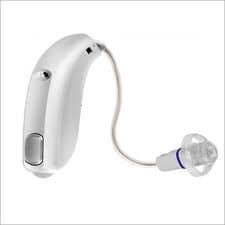
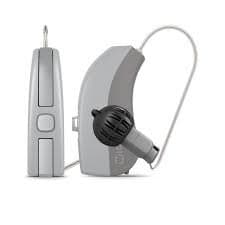
Hearing aids come in different shapes and sizes. The best type depends on your hearing loss, comfort, and personal preference.
| Hearing Aid Type | Who It’s Best For | Why People Choose It | Things to Consider |
|---|---|---|---|
| BTE (Behind-the-Ear) | Mild to profound loss | Powerful and reliable | Slightly visible |
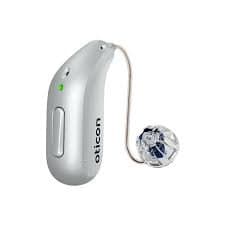
| RIC (Receiver-in-Canal) | Mild to severe loss | Natural sound, comfortable | Needs regular cleaning |
| ITE (In-the-Ear) | Mild to severe loss | Easy to handle | More visible than CIC |
| CIC / IIC | Mild to moderate loss | Nearly invisible | Fewer features |
Tip: If clarity and durability matter more than appearance, BTE or RIC models are often the safest choice.
Before choosing any hearing aid, a proper hearing test is essential. Hearing aids are designed for specific levels of hearing loss:
A hearing aid that doesn’t match your hearing loss may feel uncomfortable or ineffective—even if it’s a premium model.

Good sound quality makes conversations easier and listening less tiring. When comparing hearing aids, check whether they offer:
Modern digital hearing aids automatically adjust sound based on your environment, which makes daily listening much more natural.
Not every feature is essential for everyone. Focus on what will genuinely help you.
Choosing features wisely keeps your hearing aid effective without unnecessary cost.
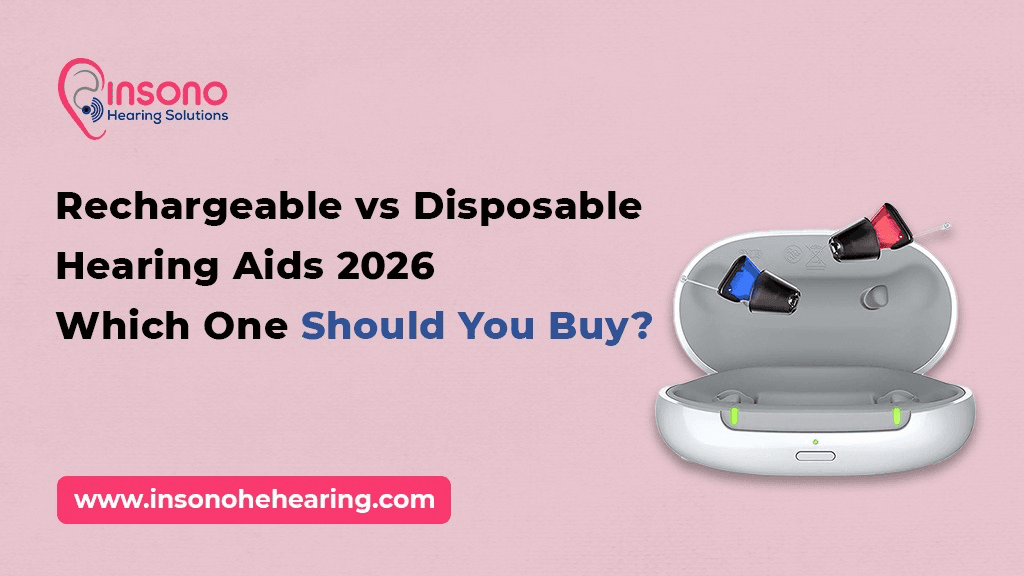
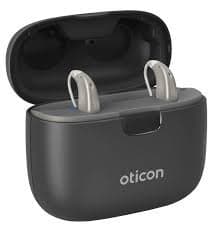
| Feature | Rechargeable Hearing Aids | Disposable Battery Hearing Aids |
|---|---|---|
| Daily convenience | Very high | Moderate |
| Battery replacement | Not required | Frequent |
| Long-term cost | Lower | Higher |
| Travel flexibility | Moderate | High |
Rechargeable hearing aids are ideal if you prefer simplicity. Disposable batteries may suit frequent travelers.
If you use a smartphone, smart hearing aids can make life easier. Many models allow you to:
Always confirm compatibility with your phone before buying.
A hearing aid should feel natural, not irritating. When comparing options, ask about:
Comfort is just as important as sound quality for long-term satisfaction.
Hearing aid prices vary based on technology and features.
| Price Range | Best For | What You Can Expect |
|---|---|---|
| Budget range | Mild loss | Basic clarity and comfort |
| Mid-range | Moderate loss | Bluetooth, better noise control |
| Premium range | Severe loss | Smart automation, AI features |
Instead of asking Which is the cheapest?, ask Which gives me the best value?
A good hearing aid brand supports you even after purchase. Compare brands based on:
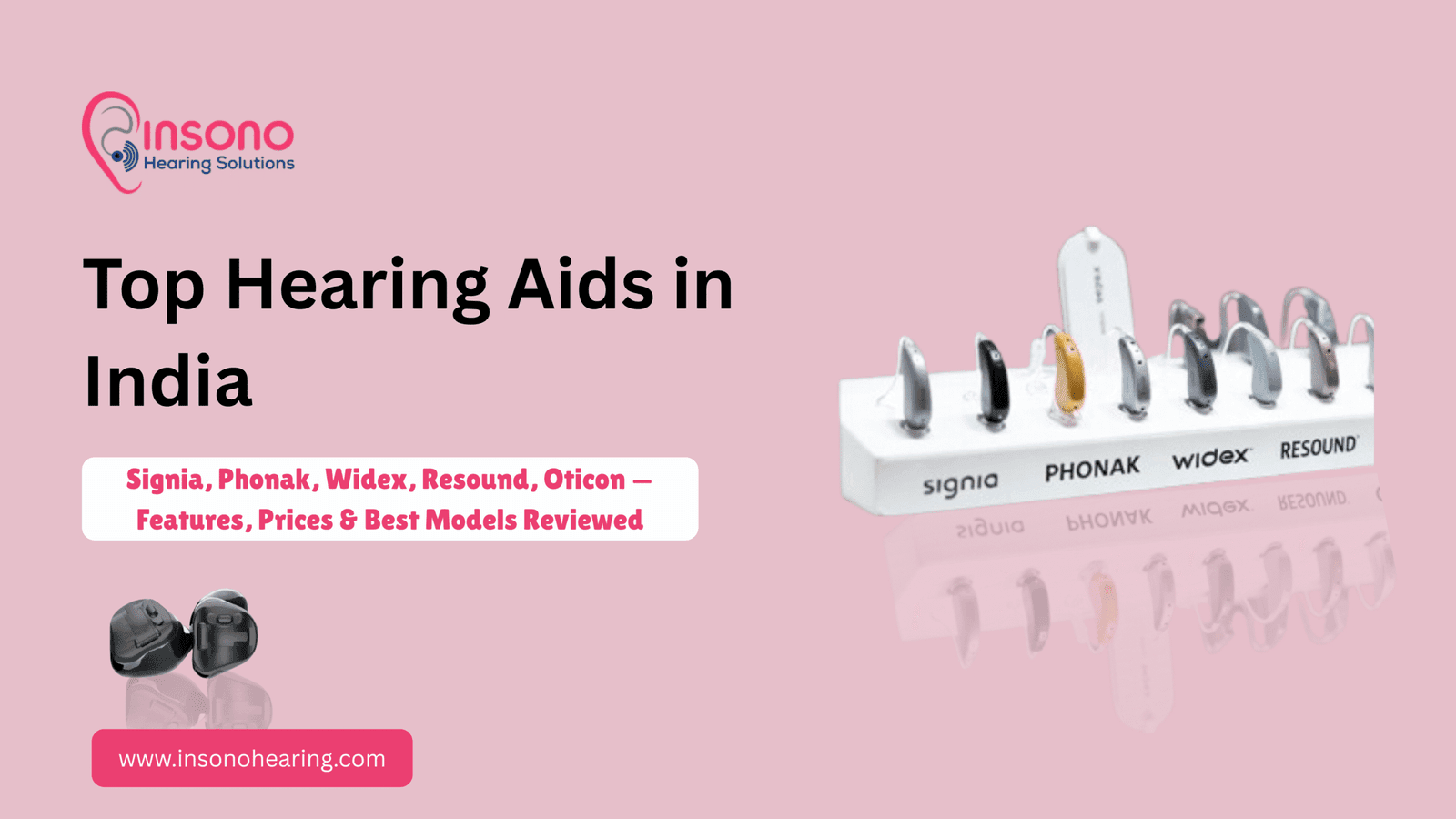
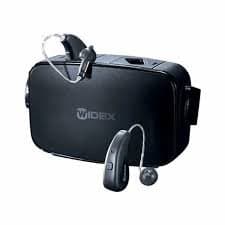
Reliable brands include Phonak, Signia, Widex, Oticon, and Starkey.
Always choose a hearing aid that comes with a trial period. This allows you to:
A trial period protects you from making the wrong decision.
Before you finalize your purchase, confirm:

The most important factor is sound quality matched to your level of hearing loss, followed by comfort and noise reduction.
No. Many mid-range hearing aids offer excellent performance and are sufficient for most users.
BTE or RIC hearing aids with rechargeable batteries and simple controls work best for seniors.
Buying from a clinic is usually better because professional testing, fitting, and follow-up care make a big difference.
With proper care, most hearing aids last between 5 and 7 years.