Senior Audiologist • 1/31/2026

Hearing loss doesn’t just affect your ears — it impacts your emotional well-being, relationships, confidence, and even brain health. Modern hearing aids are scientifically proven to restore clarity, reduce listening effort, and improve overall quality of life.
Hearing aids amplify speech frequencies, making it easier to follow conversations — even in noisy environments.
Studies show untreated hearing loss increases cognitive load and speeds up mental decline. Hearing aids help the brain process sound efficiently again.
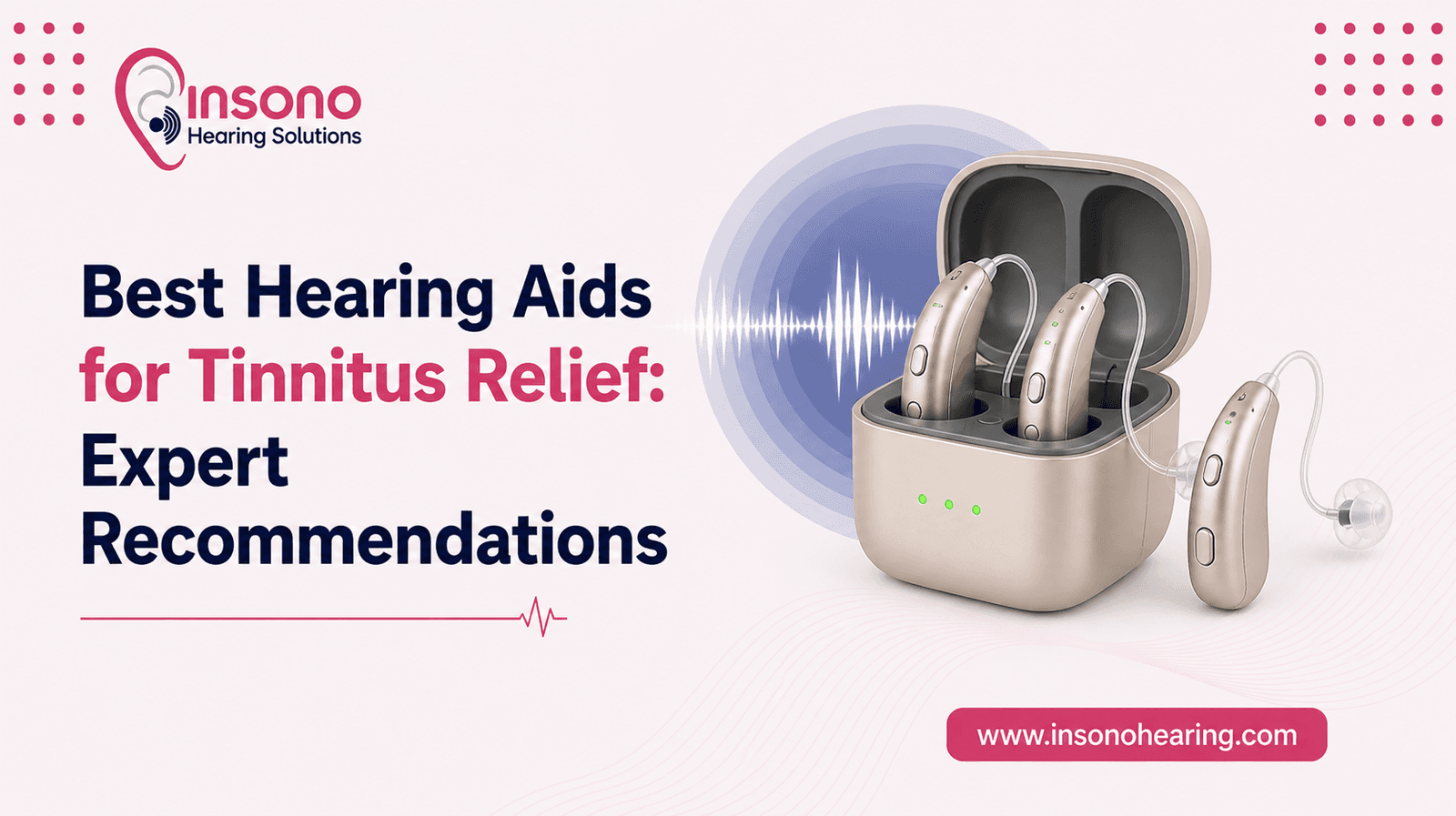
Hearing aids provide masking features that reduce tinnitus intensity.
Hearing aids help people reconnect socially.
Hearing aids reduce frustration, irritability, and misunderstandings.
You can hear alarms, traffic, doorbells, and alerts more clearly — improving daily safety.
Clear hearing improves focus and productivity.
Most relationship conflicts from hearing loss arise due to miscommunication. Hearing aids help close that gap.
Untreated hearing loss is linked to higher rates of depression and anxiety. Hearing aids reduce these symptoms by restoring communication and confidence.
The combination of physical, emotional, and social benefits leads to a dramatic improvement in lifestyle.
| Feature / Experience | Without Hearing Aids | With Hearing Aids |
|---|---|---|
| Speech Clarity | Poor clarity, frequent repetition | Clear, natural speech |
| Brain Effort | High listening fatigue | Reduced mental strain |
| Tinnitus | Persistent ringing | Significant relief |
| Social Life | Avoidance, isolation | Active and confident |
| Work Productivity | Miscommunication issues | Better performance |
| Safety Awareness | Missed sounds, alarms | High awareness |
| Emotional Health | Stress, frustration | Calm & positive mood |
| Relationship Quality | Misunderstandings | Smooth communication |
| Cognitive Health | Faster decline | Improved processing |
| Overall Lifestyle | Low-quality experience | High-quality, independent life |


No, but they prevent further decline by reducing strain on the auditory system and brain.
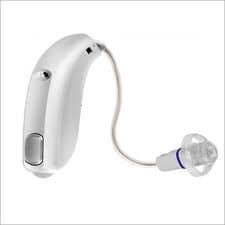
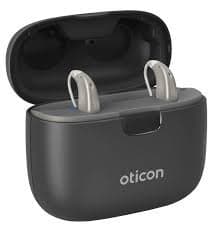
Most modern devices are nearly invisible, lightweight, and ultra-comfortable.
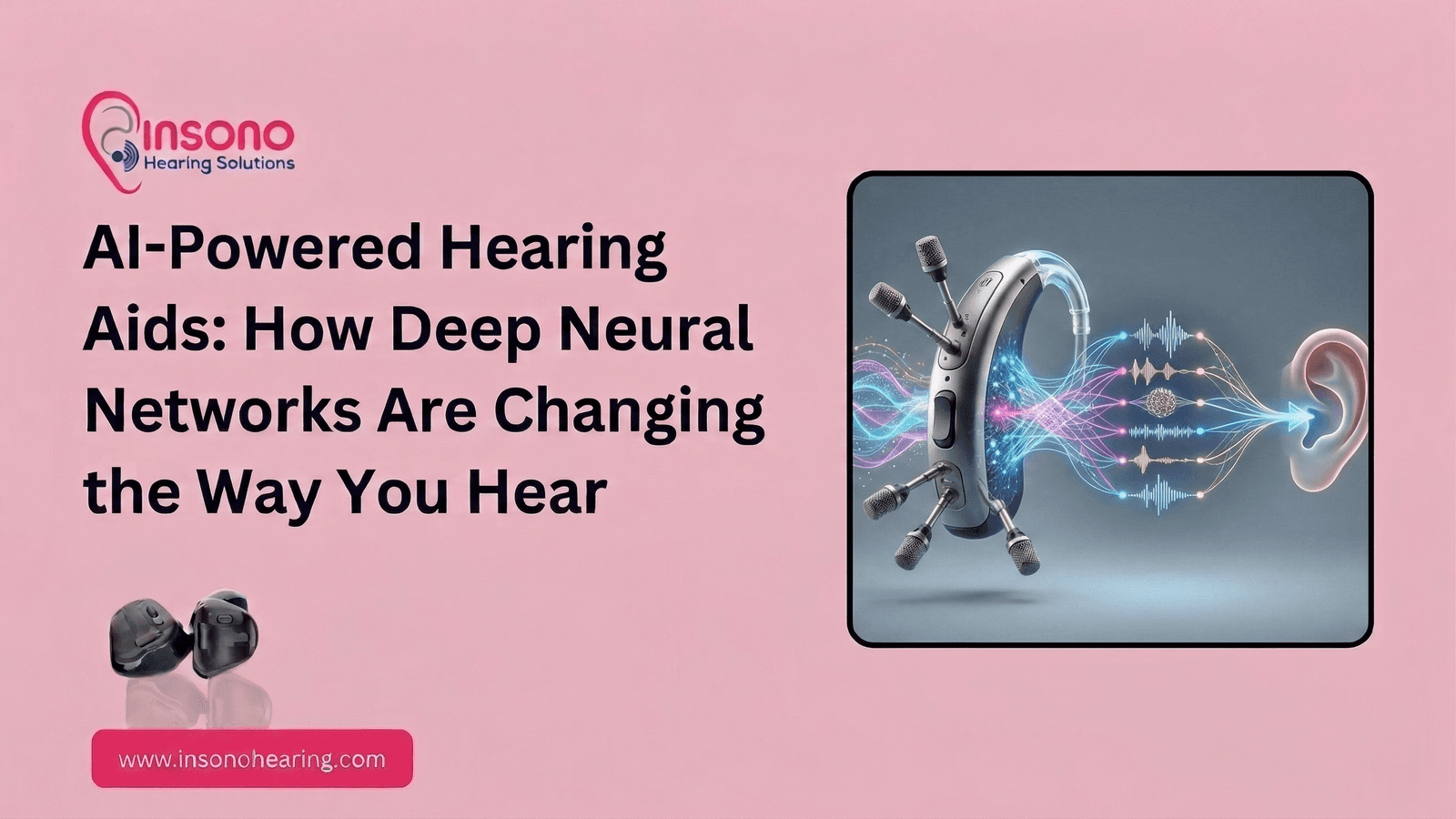
Yes — advanced models include directional microphones, AI noise reduction, and speech enhancement.
Good hearing aids typically last 4–6 years with proper care.
Yes, especially models with tinnitus masking features.