Senior Audiologist • 4/13/2026

Hearing technology has undergone a massive transformation in recent years. Traditional hearing aids simply amplified sound, but modern devices powered by Artificial Intelligence (AI) and Deep Neural Networks (DNNs) are redefining how people experience sound.
Brands like Phonak, Signia, and Oticon are leading this revolution by integrating AI-driven features into their devices.
In this blog, we’ll explore how AI-powered hearing aids work, their benefits, and why they are the future of hearing care.
AI-powered hearing aids use advanced algorithms and deep learning models to automatically process and adapt to different sound environments in real-time.
Unlike traditional devices, these smart hearing aids can:
Deep Neural Networks (DNNs) mimic the human brain by processing vast amounts of sound data. These networks are trained using thousands of real-world audio samples to improve sound clarity.
For example, when you’re in a busy market, the hearing aid can automatically prioritize speech while reducing surrounding noise.
AI ensures clearer, more natural sound compared to traditional amplification.
Devices instantly adjust when you move from quiet to noisy environments.
AI learns your listening habits and customizes settings automatically.
Especially useful in crowded places like restaurants or meetings.
Most AI hearing aids connect with apps for control and monitoring.
| Feature | Traditional Hearing Aids | AI-Powered Hearing Aids |
|---|---|---|
| Sound Processing | Basic amplification | Intelligent processing |
| Noise Reduction | Limited | Advanced AI filtering |
| Adaptability | Manual adjustment | Automatic real-time |
| Personalization | Minimal | Learns user behavior |
| Connectivity | Limited | Bluetooth + App control |
| Speech Clarity | Moderate | High precision |
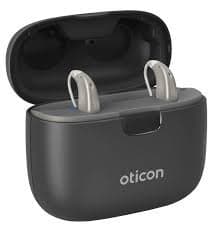
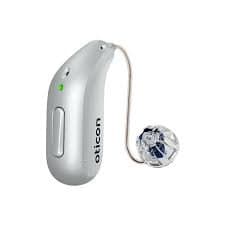
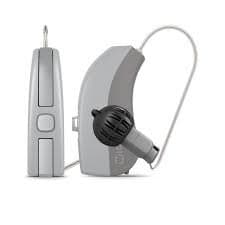
Some top AI-enabled hearing aids include:
These devices use machine learning and AI chips to deliver exceptional performance in diverse environments.
When choosing an AI-powered hearing aid, consider:
The future of hearing aids is incredibly promising. Innovations may include:
AI will continue to make hearing aids smarter, smaller, and more efficient.

Yes, they offer better sound clarity, automatic adjustments, and personalized experiences.
Absolutely. They excel in filtering background noise and enhancing speech.
They are generally more expensive but offer significantly better performance and features.
Yes, most modern devices support Bluetooth and dedicated apps.
Typically 5–7 years, depending on usage and maintenance.
AI-powered hearing aids are revolutionizing the way people hear and interact with the world. By leveraging deep neural networks, these devices provide unmatched clarity, personalization, and convenience.
If you’re considering upgrading your hearing aid, investing in AI technology can significantly improve your quality of life.