Senior Audiologist • 6/1/2026

Hearing aids have transformed millions of lives by helping people hear conversations, enjoy social gatherings, and stay connected with loved ones. Modern hearing aids are no longer simple sound amplifiers; they use advanced digital technology, artificial intelligence, noise reduction, Bluetooth connectivity, and rechargeable batteries to deliver a personalized listening experience.
If you’re considering purchasing a hearing aid in 2026, understanding the different types, costs, benefits, and features can help you make an informed decision. This comprehensive guide explains everything you need to know before investing in a hearing aid.
| Model | Style | Price |
|---|---|---|
| Pure Charge&Go 7IX | RIC Rechargeable | ₹3,89,000 (Per Ear) |
| Pure Charge&Go 5IX | RIC Rechargeable | ₹2,49,000 (Per Ear) |
| Pure Charge&Go 3IX | RIC Rechargeable | ₹1,79,000 (Per Ear) |
| Styletto 7IX | Slim RIC | ₹3,65,000 (Per Ear) |
| Silk Charge&Go 7IX | Rechargeable CIC | ₹3,62,000 (Per Ear) |
| Model | Style | Price |
|---|---|---|
| Audéo Infinio Sphere i90 | RIC Rechargeable | ₹4,55,000 (Per Ear) |
| Audéo Infinio i90 | RIC Rechargeable | ₹3,47,000 (Per Ear) |
| Audéo Lumity L90-R | RIC Rechargeable | ₹3,95,000 (Per Ear) |
| Naída Lumity L90-UP | BTE | ₹4,10,000 (Per Ear) |
| Virto Infinio I-90 | Custom | ₹4,50,000 (Per Ear) |
| Model | Style | Price |
|---|---|---|
| Intent 1 MiniRITE Power | RIC Rechargeable | ₹4,25,000 (Per Ear) |
| Intent 2 MiniRITE Power | RIC Rechargeable | ₹3,90,000 (Per Ear) |
| Own 1 ITC Flex | ITC | ₹2,50,000 (Per Ear) |
| Own 1 CIC | CIC | ₹2,50,000 (Per Ear) |
| Own 1 IIC | Invisible | ₹2,50,000 (Per Ear) |
| Model | Style | Price |
|---|---|---|
| Allure 440 RIC RD | RIC Rechargeable | ₹4,50,000 (Per Ear) |
| Allure 330 RIC RD | RIC Rechargeable | ₹3,60,000 (Per Ear) |
| Moment sRIC RD 440 | Rechargeable RIC | ₹3,95,000 (Per Ear) |
| Magnify mRIC RD | Rechargeable RIC | ₹1,75,000 (Per Ear) |
| Enjoy 100 | BTE | ₹55,000 (Per Ear) |
| Model | Style | Price |
|---|---|---|
| Vivia 9 MicroRIE Rechargeable | RIC Rechargeable | ₹8,89,995 (Kit Price – 2 Hearing Aids + Premium Charger) |
| Vivia 9 MicroRIE Rechargeable | RIC Rechargeable | ₹4,55,495 (Single Hearing Aid + Standard Charger) |
| Vivia 7 MicroRIE Rechargeable | RIC Rechargeable | ₹5,07,995 (Kit Price – 2 Hearing Aids + Premium Charger) |
| Vivia 7 MicroRIE Rechargeable | RIC Rechargeable | ₹2,64,495 (Single Hearing Aid + Standard Charger) |
| Vivia 5 MicroRIE Rechargeable | RIC Rechargeable | ₹2,89,995 (Kit Price – 2 Hearing Aids + Premium Charger) |
| Vivia 5 MicroRIE Rechargeable | RIC Rechargeable | ₹1,55,495 (Single Hearing Aid + Standard Charger) |
| Model | Style | Price |
|---|---|---|
| Genesis AI 24 RIC RT | Rechargeable RIC | ₹3,90,000 (Per Ear) |
| Genesis AI 24 mRIC R | Rechargeable Mini RIC | ₹3,80,000 (Per Ear) |
| Genesis AI 24 RIC 312 | RIC Battery | ₹3,70,000 (Per Ear) |
| Genesis AI 20 RIC RT | Rechargeable RIC | ₹2,70,000 (Per Ear) |
| Genesis AI 20 mRIC R | Rechargeable Mini RIC | ₹2,60,000 (Per Ear) |
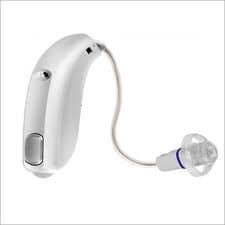
A hearing aid is a small electronic device designed to improve hearing by amplifying sounds. It consists of three main components:
The microphone captures sounds from the environment, the processor analyzes and enhances them, and the receiver delivers the improved sound to the ear.
Modern hearing aids can automatically adapt to different environments such as restaurants, meetings, outdoor spaces, and phone calls.
Hearing aids work by converting sound waves into digital signals. The device processes these signals according to the wearer’s hearing profile and then delivers amplified sound to the ear.
This advanced processing allows users to hear conversations more clearly, even in challenging listening environments.
Choosing the right hearing aid style is one of the most important decisions. Different styles suit different hearing loss levels, cosmetic preferences, and lifestyles.

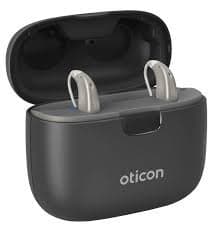
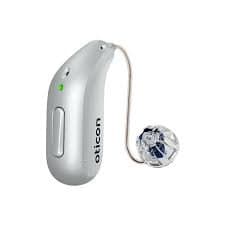
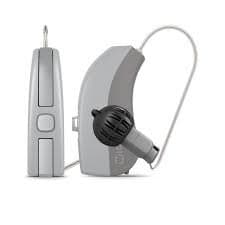
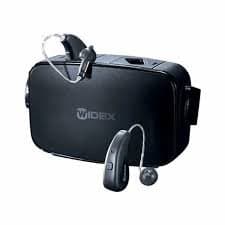
RIC hearing aids are among the most popular options in 2026.

BTE hearing aids sit behind the ear and connect to an earmold.

ITE devices fit inside the outer portion of the ear.
CIC hearing aids fit deeper inside the ear canal.

IIC hearing aids are the most discreet style available.
| Type | Visibility | Hearing Loss Level | Comfort | Bluetooth Available |
|---|---|---|---|---|
| IIC | Almost Invisible | Mild-Moderate | High | Limited |
| CIC | Very Discreet | Mild-Moderate | High | Limited |
| ITE | Visible | Mild-Severe | High | Available |
| RIC | Slightly Visible | Mild-Severe | Excellent | Yes |
| BTE | Visible | Mild-Profound | Excellent | Yes |
Modern hearing aids offer much more than improved hearing.
Research has also linked untreated hearing loss with social isolation and cognitive decline, making early intervention important.
AI-powered hearing aids automatically adjust settings based on your environment.
Allows direct streaming from:
Benefits include:
Helps improve speech clarity in noisy environments.
Focus on speech while reducing background noise.
Provides sound therapy for tinnitus sufferers.
Several leading manufacturers offer advanced hearing aid solutions.
Each brand offers multiple technology levels suitable for different budgets and hearing requirements.
Before purchasing a hearing aid, consider the following:
A hearing evaluation identifies the type and severity of hearing loss.
Ask yourself:
Avoid choosing solely based on price.
Consider:
Rechargeable hearing aids have become the preferred option for most users.
Different brands process sound differently, and personal preference matters.
You may benefit from hearing aids if you:

RIC hearing aids are considered the most versatile option because they combine excellent sound quality, comfort, and advanced features.
Hearing aid prices typically range from ₹15,000 to over ₹8,00,000 depending on technology level and brand.
IIC (Invisible-in-Canal) hearing aids are the most discreet hearing aids available.
Yes. Most modern hearing aids offer rechargeable batteries that provide all-day performance.
With proper maintenance, hearing aids typically last 5–7 years.
Yes. Many modern hearing aids support Bluetooth connectivity for direct audio streaming and app control.