Senior Audiologist • 1/13/2026

Hearing aids today are no longer just medical devices. With Bluetooth technology, they have become smart companions that help you stay connected to phone calls, music, videos, and even virtual meetings.
If you use a smartphone daily and struggle with hearing clarity, Bluetooth hearing aids can make a huge difference. In this guide, we’ll break down the best Bluetooth hearing aid brands, explain how they work with smartphones, and help you choose the right option for your lifestyle.
Bluetooth hearing aids are digital hearing devices that wirelessly connect to your smartphone and other smart devices. Instead of holding the phone close to your ear or using external accessories, audio streams directly into your hearing aids.
This means:
For many users, this feels like wearing wireless earbuds — but with professional hearing correction built in.

Bluetooth hearing aids are popular because they make everyday life easier, not more complicated.
Here’s why users love them:
Once people try Bluetooth hearing aids, they rarely want to go back to traditional models.
This is one of the most common questions — and an important one.
| Phone Type | What You Should Know |
|---|---|
| iPhone | Works best with Made for iPhone (MFi) hearing aids |
| Android | Needs Android 10 or newer (ASHA support) |
| Both | Some brands offer universal Bluetooth |
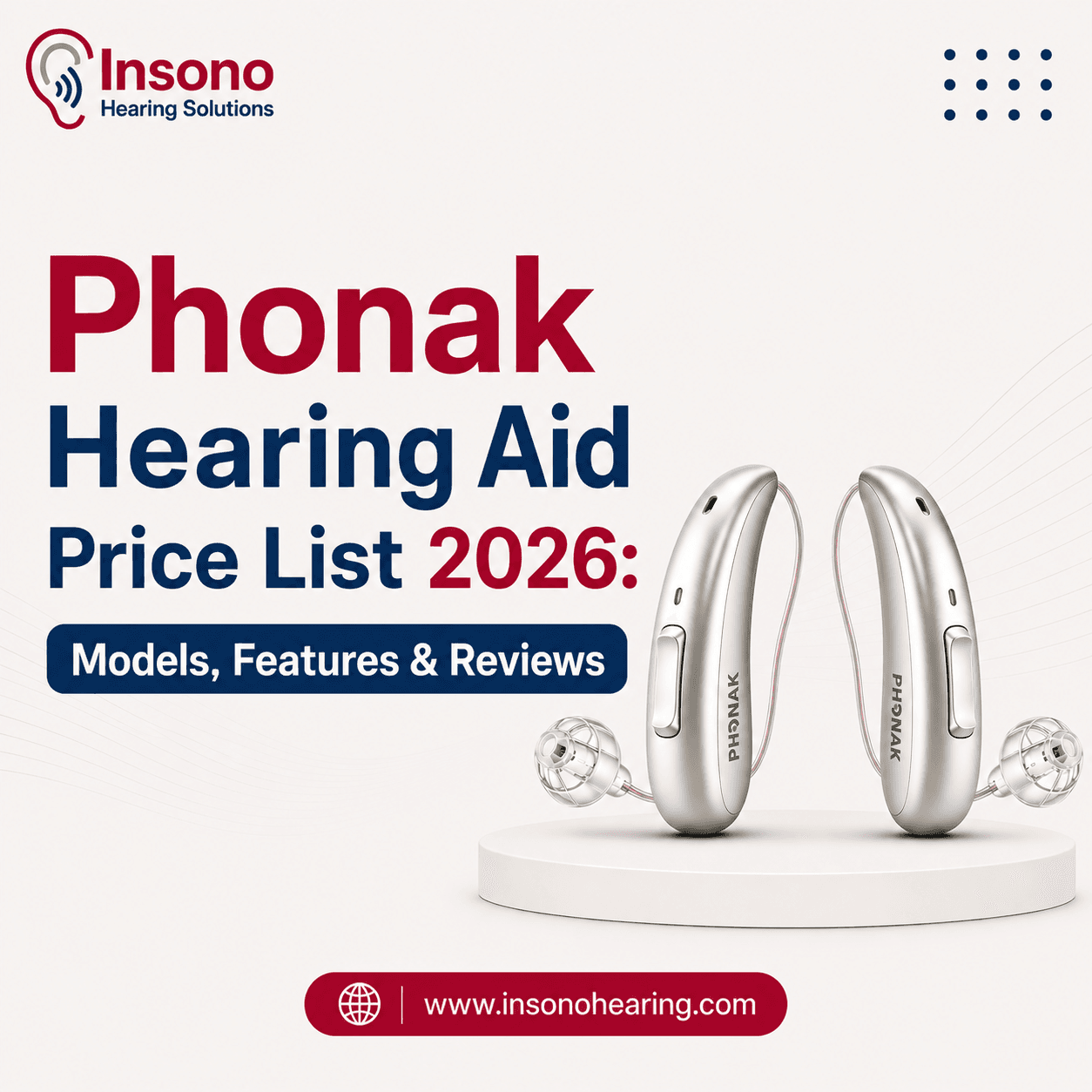
If you switch phones often or want maximum flexibility, Phonak hearing aids are known for working well with almost every smartphone.
To make things simple, here’s a clear comparison of the most trusted Bluetooth hearing aid brands.
| Brand | Android | iPhone | What Makes It Special | Best For |
|---|---|---|---|---|
| Phonak | Yes | Yes | Universal Bluetooth | All phone users |
| Signia | Yes | Yes | Smart AI sound processing | Premium experience |
| Oticon | Limited | Yes | Natural, balanced sound | Daily conversations |
| ReSound | Yes | Yes | Excellent mobile app | App control lovers |
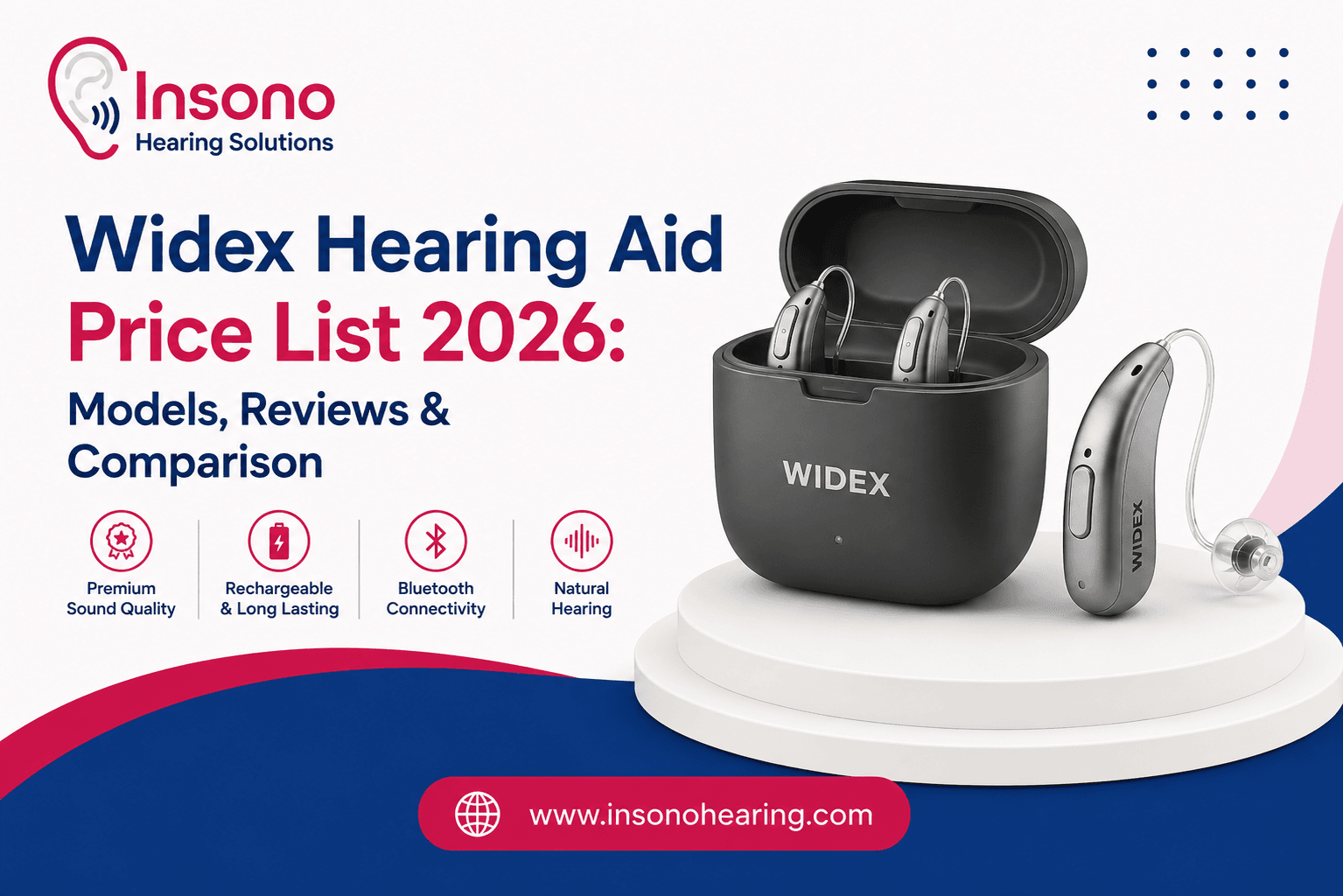
| Widex | Yes | Yes | Clean, natural music sound | Music listeners |
| Starkey | Yes | Yes | AI + health tracking | Tech-focused users |
Phonak is often the first choice for people who want simple, reliable connectivity.
Signia combines advanced technology with stylish design.
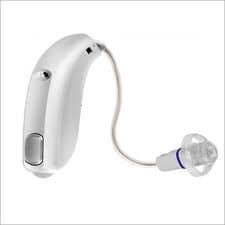
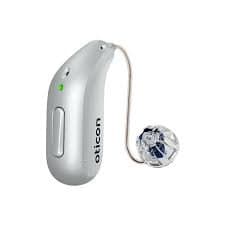
Oticon focuses on natural listening, rather than aggressive amplification.
ReSound is loved for its user-friendly app.
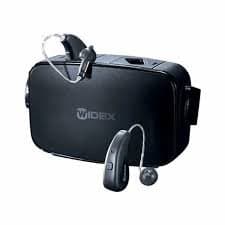
Widex is a favorite among music lovers.
Starkey offers something extra with health-focused features.
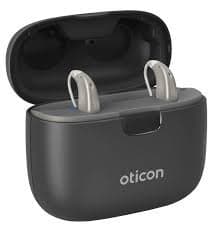
Most Bluetooth hearing aids today are rechargeable — and for good reason.
| Feature | Rechargeable | Battery |
|---|---|---|
| Ease of use | Very easy | Needs frequent changes |
| Daily cost | No | Yes |
| Ideal for | Daily users | Occasional users |
Rechargeable models are especially convenient for seniors and working professionals.
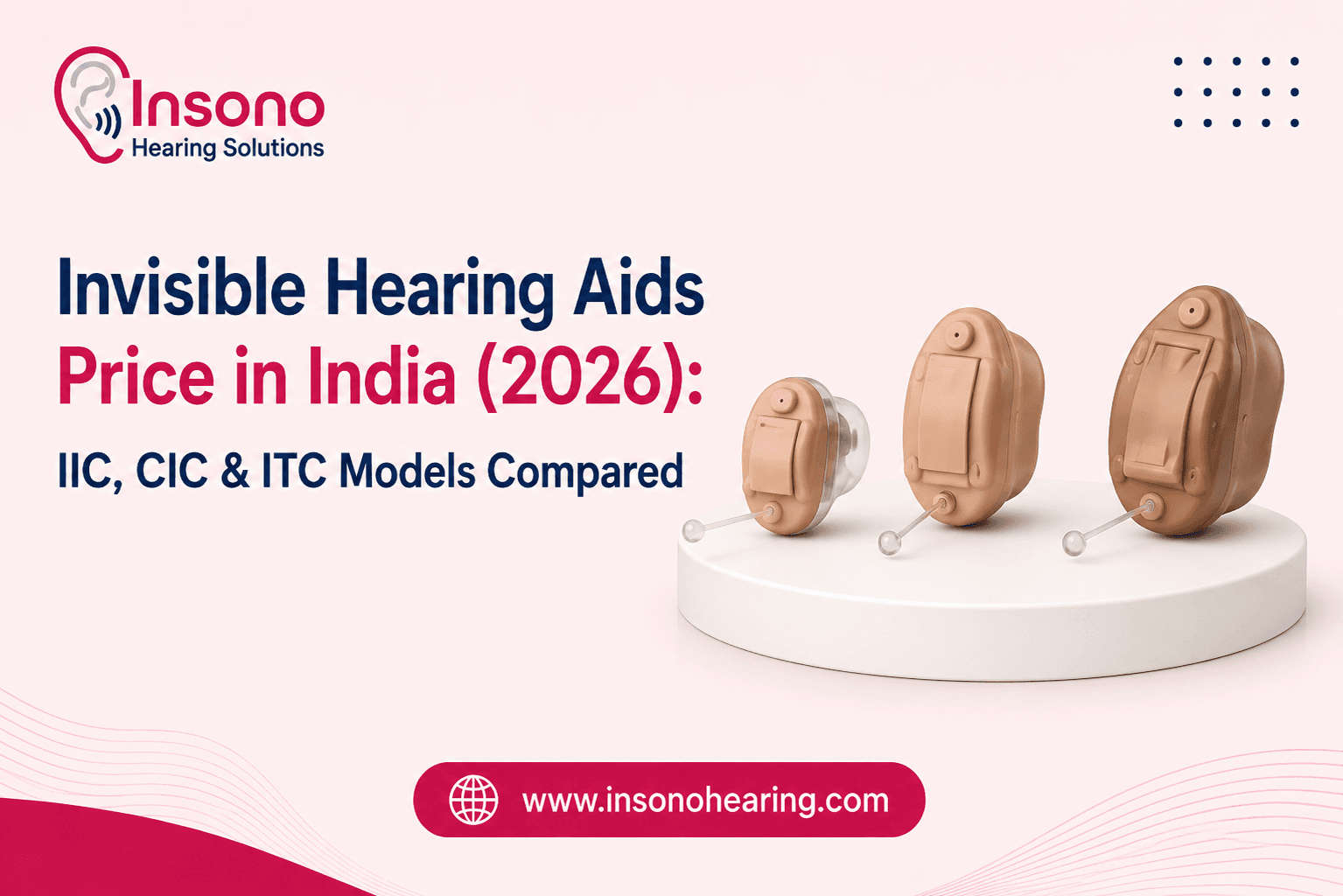
Yes. Modern Bluetooth hearing aids are small, lightweight, and discreet.
Common discreet styles include:
Fully invisible hearing aids usually compromise on Bluetooth features, so a small RIC model is often the best balance.
Choosing the best hearing aid isn’t about the brand alone. Think about:
A professional hearing test and fitting always make a big difference.

Phonak is considered one of the best due to its universal smartphone compatibility and reliable performance.
Yes, most modern Bluetooth hearing aids support Android phones with updated software.
For smartphone users, absolutely. They offer better clarity, convenience, and control compared to traditional hearing aids.
Streaming uses more power, but modern rechargeable hearing aids are designed to last all day.