Oticon
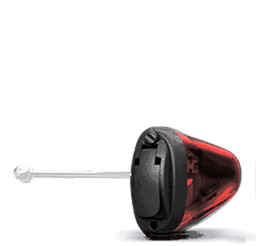
OTICON GET PB D P In-The-Canal (ITC) Hearing Aid
₹18,000MRP
Technology
Tinnitus MaskingNoise Cancellation
Style
ITC
Available Colors
BlackGreySilverDark ChampagneBeigeBrown
Suitable For
Mild Hearing LossModerate Hearing Loss
✅ Free 3-day home trial·🚚 Cash on delivery·🛡️ Genuine warranty
OTICON GET PB D P IN-THE-CANAL (ITC) HEARING AID
Full Product Description
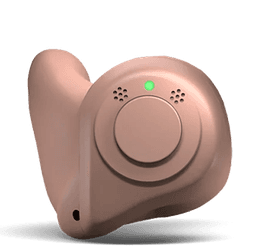
The Oticon GET PB D P ITC Hearing Aid is a custom-made digital In-The-Canal hearing aid designed for people who prefer a discreet hearing solution that sits partly inside the ear while providing a higher level of amplification than a conventional basic ITC configuration.
The device belongs to the Oticon GET family, a generation of digital hearing aids developed to provide essential hearing support through technologies such as digital amplification, directionality, noise management, feedback cancellation and multiple listening programs. The GET family includes several styles and configurations, including BTE, CIC, ITC and ITE hearing aids. Oticon's GET product documentation identifies the ITC platform with four fitting bands and a range of fitting and listening features.
The PB D P ITC configuration is particularly relevant for users looking for a combination of digital programmable technology, power-oriented amplification and a custom in-ear design. Available Indian product listings identify the GET PB D P ITC as a four-channel/four-band configuration with a fitting range of approximately up to 100 dB HL and a size-312 battery.
Its custom-made construction allows the hearing aid to be shaped according to the user's ear, helping the device remain securely positioned while maintaining a discreet appearance.
The result is a hearing solution intended for users who want useful amplification and manual control without having to wear a traditional behind-the-ear hearing aid.
What Is the Oticon GET PB D P ITC?
ITC stands for In-The-Canal.
An ITC hearing aid is custom manufactured to fit inside the ear canal and the surrounding concha area. A small portion of the hearing aid remains visible in the outer ear, while most of the device is positioned within the ear.
Compared with a conventional BTE hearing aid, an ITC model does not have a separate electronic housing behind the ear.
This makes the GET PB D P ITC a suitable format for users who prefer a more discreet hearing solution.
At the same time, an ITC housing is larger than an IIC or CIC hearing aid, which provides additional physical space for electronics, controls and a larger battery.
The GET PB D P ITC therefore provides a balance between discreetness, amplification capability and practical handling.
Custom-Made Design
One of the most important characteristics of the GET PB D P ITC is its custom-made construction.
Unlike universal-fit hearing aids, the shell is manufactured according to the user's individual ear anatomy.
The hearing professional takes an appropriate ear impression or uses the applicable custom-fitting process, after which the hearing aid shell is produced to match the ear.
A correctly fitted custom shell can help provide:
Secure positioning
Comfortable wearing
Appropriate acoustic coupling
Reduced unnecessary movement
A discreet appearance
Consistent sound delivery
Because every ear is different, the final appearance and size of the device can vary from one individual to another.
Discreet In-Ear Appearance
The GET PB D P ITC is designed for people who do not want a visible hearing aid behind the ear.
The main electronic components are located within the custom shell inside the ear.
Only a small portion of the device remains visible.
This can make the hearing aid less noticeable during normal conversations and everyday activities.
The actual visibility depends on the user's ear anatomy, the degree of hearing loss, the amount of amplification required and the physical space needed for the hearing-aid components.
Digital Programmable Technology
The Oticon GET PB D P ITC uses digital hearing technology.
Digital processing allows incoming sound to be converted into an electronic signal, processed according to programmed settings and delivered back to the ear at an appropriate level.
The audiologist can program the device according to the user's hearing thresholds.
This is important because hearing loss is rarely identical across all frequencies.
For example, a user may have relatively better hearing in the low frequencies but greater hearing loss in the high frequencies.
The hearing aid can therefore be adjusted so that amplification is appropriately matched to the individual's audiogram.
Four-Band Digital Processing
The GET family is documented with four fitting bands. Indian product listings commonly describe the GET PB D P ITC as a 4-channel / 4-band configuration.
These frequency regions allow the hearing professional to make separate adjustments across different portions of the audible spectrum.
Four-band processing can provide greater fitting flexibility than a single-band amplification system.
It allows the audiologist to consider differences between low-, mid- and high-frequency hearing loss while programming the instrument.
Although newer hearing aids may use more advanced processing architectures, the four-band system of the GET platform was designed to provide practical and programmable amplification for its generation of technology.
Power-Oriented ITC Configuration
The P designation indicates the power-oriented configuration of the GET ITC family.
Available product listings place the GET PB D P ITC's fitting range at approximately up to 100 dB HL.
This makes the device relevant for users who require more amplification than would typically be provided by a lower-powered custom hearing aid.
The appropriate level of amplification must always be determined from the user's audiogram.
A high-powered hearing aid should not be selected simply because the user wants a louder device.
The audiologist should evaluate the degree and configuration of hearing loss, speech understanding, residual hearing, feedback risk and physical ear anatomy before selecting the appropriate fitting.
Power Boost Configuration
The PB designation is associated with the power-oriented configuration of this GET model in available market documentation.
This configuration is intended to provide additional amplification capability while retaining the custom ITC format.
This can be useful for users who want the relatively discreet appearance of an ITC but require greater amplification than a basic custom device can provide.
The balance between size and power is important.
The more amplification a hearing aid needs to provide, the more important appropriate acoustic coupling and feedback management become.
For this reason, the custom shell and professional programming are particularly important for power ITC fittings.
Directional Microphone Technology
Directionality is one of the important features associated with the Oticon GET family.
A directional microphone system is designed to provide greater emphasis to sounds arriving from a preferred direction while reducing the relative contribution of sounds arriving from other directions.
This can be particularly helpful during conversations when background sound is present.
For example, if a user is sitting across from another person in a busy restaurant, directional processing may help the hearing aid focus more strongly on the speech coming from the front.
The GET technical documentation identifies Surround, Split Directionality and Full Directionality options within the GET platform.
The exact directional functionality depends on the particular configuration and programmed settings.
Surround Directionality
Surround directionality can be used to provide a broader listening experience while maintaining directional assistance where appropriate.
This type of processing can be useful in everyday environments where the user needs awareness of sounds coming from different directions.
The hearing professional can determine which directional strategy is appropriate based on the user's listening requirements.
Split Directionality
Split directionality allows the hearing aid to use different processing approaches across frequency regions.
This can help balance speech access and environmental awareness.
The exact operation depends on the programmed hearing-aid configuration.
Full Directionality
Full directionality is designed to provide stronger directional emphasis when the user is communicating in a more challenging environment.
This can be useful when the primary speaker is positioned in front of the listener while unwanted sound is coming from other directions.
Directionality does not completely eliminate background noise. Rather, it modifies the balance between sounds according to the hearing-aid's processing strategy.
Noise Management
The GET family includes Noise Management as a core listening-support feature.
Background noise can make speech difficult to understand, especially for people with hearing loss.
Noise management is designed to reduce the impact of unwanted noise while maintaining access to important speech information.
Oticon's GET documentation describes noise management based on a speech-weighted approach, with noise reduction applied in frequency regions where speech information is less important.
This can improve listening comfort in situations such as:
Restaurants
Markets
Family gatherings
Busy offices
Outdoor environments
Public transportation
Social events
Noise management should not be interpreted as complete noise removal.
Real-world environments contain many overlapping sounds, and no hearing aid can eliminate all background noise.
Dynamic Feedback Cancellation DFC2
The GET platform incorporates Dynamic Feedback Cancellation DFC2.
Feedback occurs when amplified sound escapes from the ear and is picked up again by the hearing-aid microphone.
This can create the familiar whistling or squealing sound associated with hearing aids.
Feedback can be more challenging with powerful hearing aids because the device may operate at higher amplification levels.
DFC2 is designed to detect and manage feedback dynamically.
This helps the hearing aid maintain more stable amplification and can reduce unwanted whistling during everyday use.
Persistent feedback can nevertheless indicate an issue with the physical fit, earwax, shell positioning or acoustic coupling and should be checked by a hearing professional.
Multiple Listening Programs
The GET platform supports multiple listening programs, with documentation indicating up to four user programs in applicable configurations.
Programs allow the hearing professional to create different sound-processing settings for different environments.
For example, a user's programs may be configured for:
Everyday listening
Quiet conversations
Noisy environments
Music or special listening situations
The exact program configuration depends on the hearing professional and the user's individual requirements.
Manual Program Selection
Having multiple programs can be useful for people who regularly move between different acoustic environments.
For example, the user may use a general program at home and switch to another program when attending a busy social event.
The available controls and method of program switching depend on the specific configuration of the hearing aid.
Volume Control
Available market documentation identifies the GET PB D P ITC with configurations that can include volume control. The specific "WITH VC" version is separately listed in Indian GET product catalogues.
A physical volume control can allow the user to manually increase or decrease amplification when necessary.
This can be particularly useful for people who prefer direct control over their hearing-aid volume.
For example, the user may reduce the volume when entering a quiet room or increase it when additional amplification is required.
The presence of volume control should be confirmed on the exact product configuration before purchase because GET ITC variants differ.
Telecoil Functionality
The GET platform supports telecoil functionality in applicable configurations.
A telecoil, also called a T-coil, receives electromagnetic signals from compatible hearing-loop systems.
Hearing loops may be installed in:
Auditoriums
Theatres
Places of worship
Meeting rooms
Public service counters
Lecture halls
When a suitable loop system is available, the telecoil can provide a more direct audio signal to the hearing aid.
This can help reduce the effect of distance and some surrounding acoustic noise.
Telecoil performance depends on the quality and configuration of the loop system at the venue.
DAI Compatibility
DAI stands for Direct Audio Input.
The GET family documentation includes DAI among its available connectivity/accessory options.
DAI allows compatible external audio equipment to deliver an audio signal directly into the hearing instrument through an appropriate interface.
This can be useful in specialised listening situations.
The availability of DAI depends on the exact hearing-aid configuration and compatible accessories.
FM Compatibility
The GET product documentation also identifies FM compatibility.
FM systems can transmit a speaker's voice from a microphone/transmitter to a compatible receiver.
This can be useful when the speaker is positioned at a distance or when background noise makes direct listening difficult.
FM systems have historically been useful in educational and structured listening environments.
Size 312 Battery
The GET PB D P ITC uses a size 312 zinc-air hearing-aid battery.
Indian GET product listings identify the ITC configuration with size 312 batteries and approximately 140 hours of calculated battery life for the listed GET ITC variants.
Actual battery life can differ significantly from the published figure.
Battery consumption depends on:
Hearing-loss severity
Daily wearing time
Amplification level
Listening environment
Program usage
Active features
Battery quality
Therefore, the approximately 140-hour figure should be considered a standardised reference rather than a guaranteed duration.
Practical Battery Handling
Size 312 batteries are relatively compact but generally easier to handle than the smallest size-10 batteries.
This can be useful for users who have some difficulty manipulating very small components.
Users should keep spare batteries available and replace depleted batteries according to the manufacturer's instructions.
Batteries should be stored safely away from children and pets.
Custom Fit and Comfort
Because the GET PB D P ITC is custom made, the shell is designed according to the user's ear anatomy.
A properly fitted custom hearing aid should remain stable during normal activities while avoiding unnecessary pressure.
Comfort depends on:
Ear shape
Ear canal dimensions
Shell design
Venting
Insertion depth
Degree of hearing loss
Manufacturing accuracy
If the device causes pain, pressure or persistent irritation, the user should contact the hearing professional for assessment and possible shell modification.
Speech Understanding
The main purpose of the GET PB D P ITC is to improve access to speech.
The hearing aid can provide programmed amplification based on the user's hearing loss.
Directional processing and noise management can provide additional support when competing sounds are present.
In quiet environments, users may experience improved access to conversational speech.
In noisy environments, performance depends on many factors, including background noise level, distance from the speaker and the user's underlying speech-understanding ability.
A hearing aid does not restore normal hearing and cannot guarantee perfect speech understanding in every situation.
Everyday Conversation
The custom ITC design makes the GET PB D P suitable for routine communication.
It can be used for:
Family conversations
One-to-one communication
Meetings
Television listening
Social interaction
Outdoor conversations
Workplace communication
Public environments
The audiologist can fine-tune the hearing aid according to the user's experience in these environments.
Hearing in Noisy Environments
Noise is one of the biggest challenges for people with hearing loss.
When several people are speaking simultaneously, the hearing system has to separate the desired speaker from competing sounds.
The GET platform's directional processing and noise-management features are designed to assist with this challenge.
Users may further improve communication by:
Facing the person speaking
Sitting closer to the speaker
Choosing quieter seating locations
Reducing unnecessary background noise
Using the appropriate hearing-aid program
Hearing aids work best when combined with practical communication strategies.
Television Listening
The GET PB D P ITC can provide amplification for television speech.
If television dialogue is difficult to understand, the hearing professional can assess whether the hearing aid needs additional programming.
The user should avoid unnecessarily increasing the volume if the problem is primarily speech clarity.
Fine-tuning the hearing aid may provide a more comfortable solution.
Social Gatherings
Family functions, restaurants and social gatherings can contain multiple competing sound sources.
The GET PB D P ITC's directional and noise-management capabilities are intended to help in such situations.
However, the device's performance depends on the acoustic environment.
Users may benefit from selecting a quieter location and sitting closer to important speakers.
Music Listening
Music contains a wide range of frequencies and dynamic levels.
The hearing professional can determine whether an appropriate music-oriented program is available and useful for the individual user.
Music perception with hearing aids varies considerably between individuals because hearing loss itself can alter the perception of pitch, loudness and sound quality.
Adaptation Management
New hearing-aid users often require an adaptation period.
If a person has lived with hearing loss for many years, environmental sounds may initially appear unusually loud.
Sounds such as:
Footsteps
Fans
Cutlery
Traffic
Paper movement
Household appliances
may become more noticeable after amplification.
The GET platform includes Adaptation Management, allowing the hearing professional to manage the amplification transition.
This can help the user gradually become accustomed to amplified sound.
In-Situ Audiometry
The GET platform also supports in-situ audiometry.
This allows the hearing professional to evaluate hearing responses through the hearing instrument under appropriate conditions.
The feature can assist with fine-tuning and individualisation of the hearing-aid fitting.
A comprehensive hearing assessment remains important for understanding the overall condition of the user's hearing.
Fitting Prescriptions
Oticon's GET documentation identifies support for established fitting approaches including:
NAL-NL1
NAL-NL2
DSL v5.0a m[i/o]
These fitting methods help the audiologist establish an appropriate starting point for amplification.
The hearing professional can then make additional adjustments according to the user's experience, comfort and speech understanding.
Fitting Range
Available Indian GET product catalogues identify the GET PB D P ITC with a fitting range of approximately up to 100 dB HL.
This places the model within the higher-powered ITC category.
However, fitting range should never be treated as a simple indication that the device is automatically suitable for every person with hearing loss up to that level.
The actual suitability depends on the audiogram, frequency-specific hearing loss, speech understanding and acoustic requirements.
Four-Channel/Four-Band Configuration
The GET PB D P ITC is commonly listed with 4 I 4, meaning four channels/fitting bands.
This provides separate control over different portions of the frequency spectrum.
It allows the audiologist to create a more individualised fitting than a simple single-channel amplification system.
For example, if high-frequency hearing loss is substantially greater than low-frequency hearing loss, the hearing professional can make corresponding adjustments.
Hearing Aid for Adults and Senior Users
The ITC format can be suitable for adults and older users who want a relatively discreet hearing aid.
However, handling ability should be considered.
An ITC is larger than an IIC or CIC device, which can make insertion and removal easier for some users.
The physical controls, if included, can also be useful for people who want direct access to volume adjustment.
Discreetness Versus Power
One of the important advantages of the GET PB D P ITC is the balance between discreetness and amplification.
Very small hearing aids have limited physical space.
An ITC provides more room for components while remaining considerably less visible than a traditional BTE.
The power-oriented configuration provides additional amplification capability while retaining this in-ear design.
No Assumption of Modern Bluetooth Connectivity
The Oticon GET family belongs to an older generation of hearing-aid technology.
Its official GET documentation identifies features such as telecoil, DAI and FM functionality, but it does not document modern direct Bluetooth streaming for the GET PB D P ITC.
Therefore, this product should not be advertised as a Bluetooth hearing aid unless separate documentation for the exact regional configuration confirms such functionality.
This distinction is particularly important when comparing the GET PB D P ITC with current Oticon products.
No Rechargeable Battery
The GET PB D P ITC uses a disposable size-312 battery, rather than a modern built-in rechargeable lithium-ion battery.
This means users need to replace the battery periodically.
For users who prefer a conventional battery-operated hearing aid, this can be straightforward and familiar.
For users who specifically want USB or charging-station operation, a newer rechargeable hearing-aid platform may be more appropriate.
Maintenance and Care
Proper maintenance helps preserve hearing-aid performance.
Users should:
Keep the device clean.
Protect it from excessive moisture.
Keep the microphone openings clear.
Keep the sound outlet clean.
Follow professional cleaning instructions.
Check the device regularly for earwax accumulation.
Replace batteries when necessary.
Have the hearing aid professionally inspected if sound quality changes.
Because the device sits in the ear, earwax can have a significant effect on sound output.
Earwax Management
Earwax can block the sound outlet of a custom hearing aid.
A blocked outlet can cause:
Reduced volume
Distorted sound
Intermittent sound
Feedback
Reduced speech clarity
Users should not insert sharp objects into the hearing aid.
If cleaning does not resolve the issue, the hearing professional should inspect the device.
Feedback and Fit
Persistent whistling does not necessarily mean that the hearing aid is defective.
Possible causes include:
Poor shell fit
Earwax
Loose positioning
Changes in ear anatomy
Excessive amplification
Damaged shell
Acoustic leakage
Because the GET PB D P is a power-oriented ITC, correct acoustic fitting is particularly important.
The DFC2 feedback-cancellation system can help manage feedback, but it cannot compensate for every physical fitting problem.
Professional Audiological Fitting
A hearing aid should be selected according to a hearing test.
The audiologist should assess:
Air-conduction thresholds
Bone-conduction thresholds where required
Speech understanding
Hearing-loss configuration
Previous hearing-aid experience
Listening requirements
Ear anatomy
Feedback risk
Manual handling ability
The device can then be programmed and fine-tuned.
Who Can Consider the Oticon GET PB D P ITC?
The Oticon GET PB D P ITC may be considered by users who:
Want a custom in-ear hearing aid
Prefer a discreet hearing solution
Need stronger amplification
Have hearing loss within the device's fitting capability
Want digital programmable processing
Want directional microphone functionality
May benefit from noise management
Want feedback cancellation
Prefer a size-312 battery
May benefit from telecoil functionality
Prefer a custom fit
Want an alternative to a BTE hearing aid
Final suitability should be determined by an audiologist.
Who May Prefer a BTE Hearing Aid?
A BTE hearing aid may be preferable for people who need very high amplification or who require a larger physical platform.
BTE devices can provide additional space for larger components and may be easier to handle for some users.
Users with severe-to-profound hearing loss should discuss power BTE options with an audiologist if an ITC cannot provide sufficient output.
Who May Prefer a CIC or IIC?
Users whose primary priority is maximum cosmetic discretion may prefer CIC or IIC hearing aids.
However, smaller hearing aids generally provide less physical space for controls, batteries and certain features.
The correct choice depends on the user's hearing loss and lifestyle rather than appearance alone.
Technical Specifications
Brand: Oticon
Family: GET
Model: GET PB D P ITC
Style: In-The-Canal
Construction: Custom-made
Technology: Digital programmable
Processing: Four-band/four-channel configuration
Fitting range: Approximately up to 100 dB HL according to available GET product listings
Battery: Size 312
Published calculated battery life for GET ITC variants: Approximately 140 hours
Directionality: Supported
Directional modes: Surround, Split Directionality and Full Directionality within applicable GET configurations
Noise Management: Yes
Feedback management: Dynamic Feedback Cancellation DFC2
Programs: Up to four in applicable configurations
Telecoil: Available in applicable configurations
Volume control: Available in relevant VC configuration
DAI: Supported within the GET platform
FM: Supported within the GET platform
Adaptation Management: Yes
In-situ Audiometry: Yes
Fitting prescriptions: NAL-NL1, NAL-NL2 and DSL v5.0a m[i/o]
Custom shell: Yes
Rechargeable: No; disposable battery configuration
Modern direct Bluetooth: Not documented for this GET configuration
Specifications can vary according to exact regional configuration, so the product code and manufacturer's technical documentation should be checked before making a final product claim.
Benefits of the Oticon GET PB D P ITC
The key benefits of the Oticon GET PB D P ITC include its custom in-ear design, digital processing and power-oriented amplification.
The device can provide:
Discreet appearance: The hearing aid sits inside the ear rather than behind it.
Customised fit: The shell is designed according to the individual's ear.
Higher amplification: The power configuration provides greater output capability than a basic ITC configuration.
Digital processing: The device can be programmed according to the user's audiogram.
Directional support: Directional processing can assist communication in appropriate environments.
Noise management: Helps manage selected unwanted background sounds.
Feedback cancellation: DFC2 is designed to reduce unwanted whistling.
Multiple programs: Allows different listening configurations where supported.
Telecoil: Provides compatibility with suitable hearing-loop systems.
Manual control: Available in applicable VC configurations.
Size-312 battery: Uses a commonly available hearing-aid battery size.
Why Professional Programming Matters
The same hearing aid can perform very differently depending on how it is programmed.
An incorrectly programmed device may feel:
Too loud
Too soft
Uncomfortable
Distorted
Difficult to understand
Professional programming allows amplification to be adjusted according to the user's actual hearing loss.
Fine-tuning after the user has spent time wearing the device can further improve comfort and speech understanding.
Getting Used to the Hearing Aid
New users should understand that adaptation takes time.
If hearing loss has been present for several years, the brain may have become accustomed to receiving reduced auditory information.
Once amplification is introduced, environmental sounds can become much more noticeable.
Gradual and consistent use can help the user become familiar with amplified sound.
The hearing professional can adjust the amplification if the user experiences excessive loudness or discomfort.
Communication Strategies
A hearing aid works best when combined with effective communication habits.
Users can improve communication by:
Facing the speaker
Maintaining a reasonable distance
Reducing background noise
Choosing well-lit environments
Asking people to speak clearly
Avoiding unnecessary shouting
Moving closer when necessary
These strategies can complement the hearing-aid's processing capabilities.
Final Product Summary
The Oticon GET PB D P In-The-Canal Hearing Aid is a custom digital hearing solution designed for users who want a discreet in-ear device combined with higher amplification capability.
Its ITC construction places the hearing aid within the ear rather than behind it, providing a relatively discreet alternative to traditional BTE hearing aids.
The GET platform provides essential digital hearing technologies including four-band/four-channel processing, directionality, noise management and Dynamic Feedback Cancellation DFC2. The platform also supports multiple listening programs, adaptation management and in-situ audiometry.
Depending on the exact configuration, telecoil, volume control, DAI and FM functionality may also be available.
Available Indian product documentation identifies the GET PB D P ITC as a 4 I 4 model with a fitting range of approximately 100 dB HL and a size-312 battery, with approximately 140 hours of calculated battery life listed for the GET ITC configuration.
The device is therefore particularly relevant for users seeking a custom, discreet and relatively powerful ITC hearing aid without moving to a traditional behind-the-ear design.
It should be selected and fitted according to an up-to-date hearing assessment. The audiologist should determine whether the power ITC configuration provides adequate output for the individual's hearing loss and should program the device according to the user's hearing thresholds, speech requirements, lifestyle and comfort.
The Oticon GET PB D P ITC should also be distinguished from newer Oticon hearing aids that offer modern Bluetooth streaming, rechargeable batteries and newer generations of sound-processing technology. Those features should not be attributed to the GET PB D P ITC unless specifically confirmed for the exact product configuration.
For patients looking for a practical custom hearing aid with discreet in-ear placement, digital programmable amplification, directional processing, noise management, feedback control and optional telecoil functionality, the GET PB D P ITC represents a focused hearing solution from the Oticon GET generation.
More Oticon Hearing Aids
OTICON GO PRO D VC / GO PRO D Behind-The-Ear (BTE) Hearing Aid
OTICON GO PRO POWER D Behind-The-Ear (BTE) Hearing Aid
OTICON GO PRO D In-The-Canal (ITC) Hearing Aid
OTICON GO PRO In-The-Canal (ITC) Hearing Aid
OTICON GO PRO PB Completely-In-Canal (CIC) Hearing Aid
OTICON GO PRO PB POWER Behind-The-Ear (BTE) Hearing Aid
OTICON GO PRO D VC / GO PRO D Behind-The-Ear (BTE) Hearing Aid
OTICON GO PRO POWER D Behind-The-Ear (BTE) Hearing Aid
OTICON GO PRO D In-The-Canal (ITC) Hearing Aid
OTICON GO PRO In-The-Canal (ITC) Hearing Aid
OTICON GO PRO PB Completely-In-Canal (CIC) Hearing Aid
OTICON GO PRO PB POWER Behind-The-Ear (BTE) Hearing Aid
Frequently Asked Questions
What is a Oticon hearing aid?▼
Oticon is a world-leading hearing aid brand known for its advanced technology, exceptional sound quality, and reliability. The OTICON GET PB D P In-The-Canal (ITC) Hearing Aid is one of their premium models designed to help people with hearing loss experience clear, natural sound.
What technology does the OTICON GET PB D P In-The-Canal (ITC) Hearing Aid use?▼
The OTICON GET PB D P In-The-Canal (ITC) Hearing Aid features Tinnitus Masking, Noise Cancellation. These technologies work together to deliver outstanding clarity, comfort, and connectivity for the wearer.
What is the style and shape of the OTICON GET PB D P In-The-Canal (ITC) Hearing Aid?▼
The OTICON GET PB D P In-The-Canal (ITC) Hearing Aid is available in ITC style(s). This style balances comfort, discretion, and performance.
What level of hearing loss is the OTICON GET PB D P In-The-Canal (ITC) Hearing Aid suitable for?▼
The OTICON GET PB D P In-The-Canal (ITC) Hearing Aid is recommended for individuals with Mild Hearing Loss, Moderate Hearing Loss. We advise getting a professional hearing assessment to confirm the best solution for your specific needs.
What is the price of the OTICON GET PB D P In-The-Canal (ITC) Hearing Aid?▼
The OTICON GET PB D P In-The-Canal (ITC) Hearing Aid is priced at ₹18,000. Insono Hearing offers flexible EMI options and financing. Contact us for the latest offers and to schedule a free trial.
Where can I get a free trial of the OTICON GET PB D P In-The-Canal (ITC) Hearing Aid in India?▼
Insono Hearing offers free trials for the OTICON GET PB D P In-The-Canal (ITC) Hearing Aid at our clinics. Book an appointment online or call us to experience the device before making a decision.
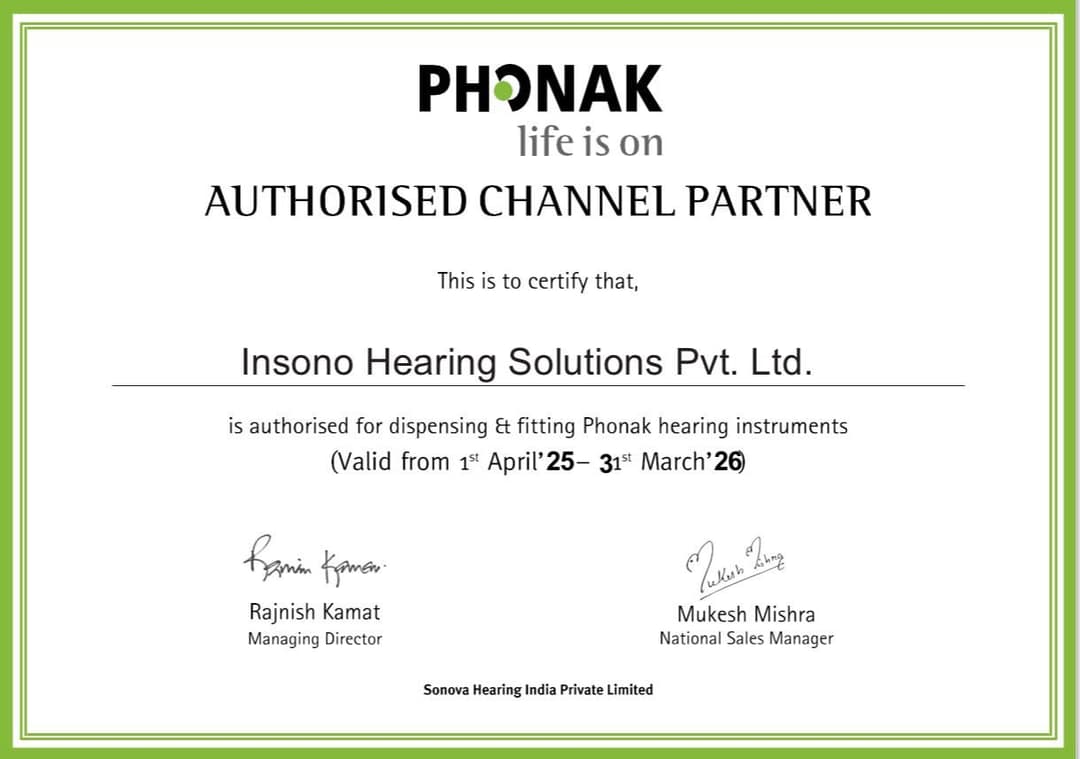
Official Certifications from Widex, Signia & Phonak
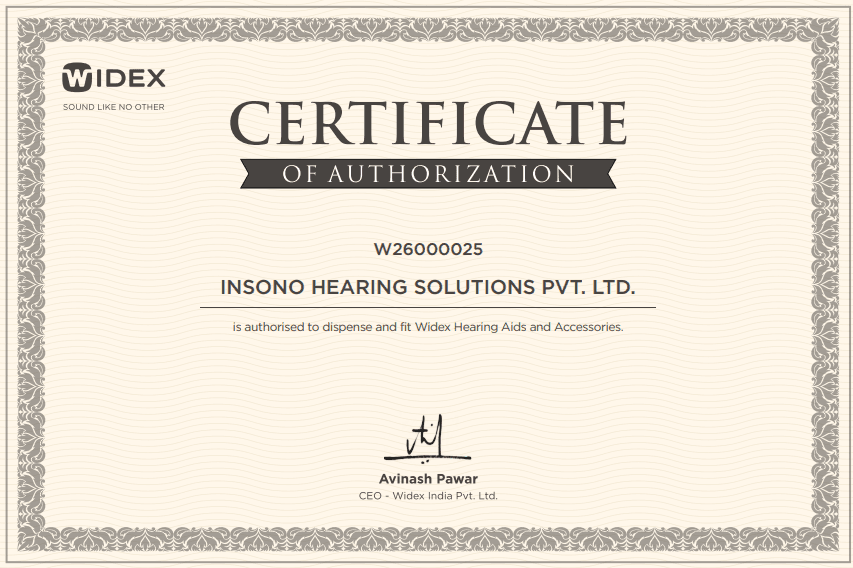
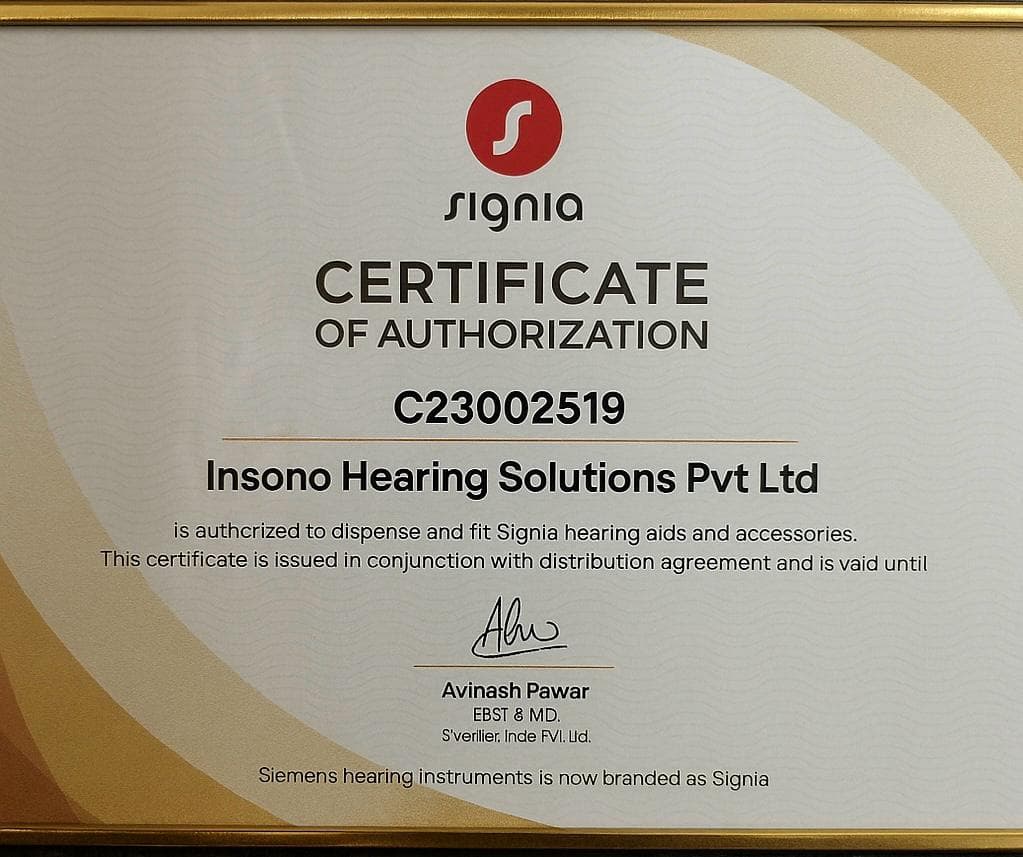
Insono Hearing Solutions is an authorized partner for leading global hearing aid brands including Widex, Signia, Phonak, and Oticon. These certifications reflect our trusted expertise and commitment to world-class hearing care in India.
Discover the Different Types of Hearing Aids for Better Hearing
Learn about the latest digital hearing aids, from behind-the-ear (BTE) to completely-in-canal (CIC) devices. Find the right style, features, and comfort level that suit your lifestyle.