Oticon
OTICON ALTA MINI RITE POWER (WL) Receiver-In-The-Ear (RITE / RIC) hearing aid
₹170,000MRP
Technology
AI-PoweredNoise CancellationTinnitus Masking
Style
RICITE
Available Colors
BlackSandy BrownBrownGreySilverDark ChampagneBeigeDeep BrownBlack Gloss
Suitable For
Mild Hearing LossModerate Hearing LossSevere Hearing Loss
✅ Free 3-day home trial·🚚 Cash on delivery·🛡️ Genuine warranty
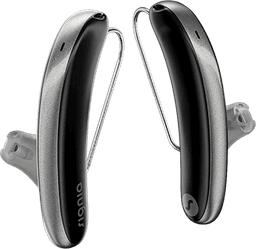
The Oticon Alta MiniRITE Power (WL) is a Receiver-in-the-Ear (RITE), also commonly referred to as Receiver-in-Canal (RIC), hearing aid designed for individuals who require a power-oriented hearing solution while preferring a compact and relatively discreet behind-the-ear style.
Unlike a conventional Behind-The-Ear (BTE) hearing aid, where the receiver is housed inside the main body and sound travels through tubing, the MiniRITE Power places the receiver close to or inside the ear canal. A thin electrical wire connects the receiver to the main hearing-aid housing positioned behind the ear.
This design allows the behind-the-ear housing to remain relatively small while positioning the receiver closer to the ear canal. The result is a practical combination of compact design, direct sound delivery, professional programmability, and everyday wearing comfort.
The Oticon Alta MiniRITE Power (WL) is intended for users whose hearing loss falls within the suitable fitting range of the device. Because hearing loss varies significantly from person to person, professional hearing assessment and fitting are essential.
RITE / RIC Design
The key feature of the Oticon Alta MiniRITE Power is its RITE/RIC construction.
The main hearing-aid housing sits behind the ear, while the receiver is positioned in the ear canal or near the ear canal opening. A thin wire connects the receiver to the main body.
This differs from a traditional BTE design. In a conventional BTE, the receiver remains inside the behind-the-ear housing and sound is delivered through tubing into the ear. In a RITE/RIC device, the receiver is separated from the main housing and positioned closer to the ear canal.
This arrangement can provide a smaller behind-the-ear profile while maintaining the benefits of a power-oriented hearing-aid design.
Power-Oriented Hearing Support
The "Power" designation indicates that this configuration is intended for users who require a stronger level of amplification than many standard small RITE devices.
The actual amount of amplification required depends on the individual's audiogram.
A professional hearing evaluation is therefore necessary before selecting the device. The audiologist can determine whether the MiniRITE Power provides sufficient output for the user's hearing loss.
Power should always be balanced with comfort and safe amplification. The goal is to provide enough access to important speech and environmental sounds without unnecessary loudness.
Digital Hearing Processing
The Oticon Alta MiniRITE Power uses digital hearing technology to process incoming sound and provide programmed amplification.
Digital processing allows the hearing aid to respond differently to different parts of the acoustic environment rather than simply making every sound louder.
The device can be professionally programmed according to the user's individual hearing thresholds.
This is particularly important because hearing loss can vary significantly across different frequencies. Some individuals may have greater difficulty hearing high-frequency speech sounds, while others may require broader amplification.
Personalized programming allows the hearing professional to create an appropriate fitting for the individual's needs.
Speech Understanding
Improving access to speech is one of the primary objectives of hearing-aid use.
Hearing loss can make speech difficult to understand, particularly when people speak softly, when the speaker is farther away, or when background sounds are present.
The Alta MiniRITE Power is designed to provide appropriately programmed amplification that can make speech information more accessible.
It can support communication with family members, friends, colleagues, healthcare professionals, and other people in everyday situations.
However, a hearing aid does not restore normal hearing and cannot guarantee perfect speech understanding in every environment. The final listening experience depends on hearing loss, background noise, distance, room acoustics, speech characteristics, and individual auditory ability.
Receiver-in-the-Ear Sound Delivery
One of the key benefits of the RITE/RIC format is the location of the receiver.
The receiver is positioned close to the ear canal, reducing the distance between the sound-producing component and the ear.
This configuration can provide a direct and efficient method of delivering amplified sound into the ear.
The exact coupling may vary depending on the fitting and hearing requirements. An audiologist can select an appropriate receiver and ear-level coupling based on the individual's hearing loss and anatomy.
Open and More Closed Fittings
Depending on the user's hearing loss and fitting requirements, RITE/RIC hearing aids can be fitted with different ear-coupling options.
A more open fitting can allow some natural sound to enter the ear, which may be useful for certain hearing-loss profiles.
A more closed coupling can provide additional acoustic control and may be required when greater amplification is needed.
The correct coupling should be selected by the hearing professional. The choice affects sound quality, feedback management, amplification, and overall comfort.
Background Noise Management
Background noise can make conversations challenging for people with hearing loss.
Restaurants, offices, markets, family gatherings, public spaces, and outdoor environments can contain multiple competing sound sources.
Digital hearing technology can process incoming sounds and manage amplification according to the programmed settings and available features.
The purpose is to make listening more manageable and support access to relevant sounds.
No hearing aid can completely eliminate background noise. Listening performance depends on the environment, hearing loss, hearing-aid programming, and the user's ability to process speech.
Directional Listening Support
Directional microphone technology, where available in the particular configuration, can help support listening when the user is primarily interested in sound from a particular direction.
During a face-to-face conversation, the main speaker is usually positioned in front of the listener.
Directional processing can use microphone information to prioritize relevant sounds while managing some competing sounds.
The effectiveness of directional processing depends on the acoustic environment and the specific hearing-aid configuration.
Users can further improve communication by facing the speaker, moving closer, and reducing unnecessary background noise.
Feedback Management
Feedback occurs when amplified sound escapes from the ear and is picked up again by the hearing-aid microphone, producing a whistling or squealing sound.
Feedback management is especially important when higher levels of amplification are required.
The physical fit of the receiver, ear tip or earmould, receiver power, ear anatomy, and programming can all influence feedback.
Professional fitting helps establish an appropriate balance between amplification and acoustic stability.
If frequent whistling occurs, the hearing aid should be inspected by a hearing professional. It may be necessary to check the receiver, coupling, earwax, physical fit, or programming.
Compact Behind-The-Ear Housing
Although the receiver is positioned near the ear canal, the main electronic housing remains behind the ear.
The MiniRITE format allows the housing to be relatively compact compared with many traditional power BTE designs.
This can provide a less bulky appearance while still allowing the device to deliver power appropriate for suitable hearing losses.
The housing is designed to remain securely behind the ear during normal daily use.
Discreet Appearance
The MiniRITE Power can provide a relatively discreet alternative to a conventional power BTE.
The thin receiver wire follows the natural contour of the ear and connects the behind-the-ear housing to the receiver.
Because the receiver is positioned near the ear canal, there is no conventional thick sound tube running from the behind-the-ear housing into the ear.
The actual visibility of the device varies depending on ear anatomy, hair, housing size, receiver configuration, and individual fitting.
Comfortable Everyday Wear
Comfort is an important consideration for long-term hearing-aid use.
The RITE/RIC design distributes the hearing-aid components between the behind-the-ear housing and the receiver positioned at the ear canal.
When appropriately fitted, the device can remain comfortably positioned during daily activities.
The ear tip or earmould should fit securely without causing unnecessary pressure or irritation.
If the user experiences discomfort, the fitting should be reviewed by the hearing professional.
Everyday Communication
The Alta MiniRITE Power can support communication in a range of everyday situations when appropriately fitted.
Family Conversations
The device can provide amplification during conversations with family members, friends, and other people at home.
Workplace Communication
It can support communication during meetings, discussions, and face-to-face workplace interactions for suitable users.
Television Listening
Appropriate amplification can make television speech more accessible, although television settings, distance, room acoustics, and speaker clarity remain important.
Social Gatherings
The hearing aid can provide hearing support during family functions, small gatherings, and social conversations.
Shopping and Appointments
Improved access to speech can be useful when communicating with shop staff, receptionists, doctors, and other service providers.
Wireless Capability
The "(WL)" designation refers to a wireless-capable configuration within the Oticon product range. The exact wireless functions available depend on the particular Alta MiniRITE Power model, compatible accessories, and supported devices.
Users who specifically require wireless streaming, smartphone connectivity, remote-control functions, or accessory compatibility should confirm the exact capabilities of their particular device configuration with an authorized hearing-care professional.
Specific connectivity functions should not be assumed solely from the model name.
Personalized Programming
Every hearing loss is different.
The Alta MiniRITE Power should therefore be programmed according to the individual's audiogram and communication requirements.
The initial fitting provides a starting point, but additional fine-tuning may be beneficial after the user has experienced the device in real-world environments.
For example, a user may find the device comfortable at home but experience difficulty in a busy restaurant. The audiologist can review these experiences and make appropriate adjustments.
Regular follow-up is an important part of achieving a successful hearing-aid fitting.
Adaptation Period
First-time hearing-aid users may require an adaptation period.
After amplification begins, ordinary environmental sounds may become more noticeable.
Sounds such as footsteps, fans, traffic, dishes, doors, paper movement, and household appliances may initially seem louder.
The brain needs time to adapt to receiving increased auditory information.
Consistent use can help the wearer become more comfortable with amplified sound.
If the device remains uncomfortably loud or speech continues to be difficult to understand, professional fine-tuning should be requested.
Handling and Controls
The MiniRITE Power can be easier to handle than very small custom in-the-ear hearing aids for many users.
The behind-the-ear housing provides a larger area for handling, while the receiver wire and ear tip require appropriate care during insertion and removal.
Users should be taught how to correctly place the receiver and hearing-aid housing.
The device should be handled with clean, dry hands.
People with limited dexterity may still require assistance, particularly when changing or cleaning the receiver components.
Earwax Management
Although the main housing sits behind the ear, the receiver and coupling are positioned close to or inside the ear canal.
Earwax can therefore affect performance.
Excessive wax may block the receiver opening, affect sound output, or contribute to feedback.
Users should not insert sharp objects or cotton swabs deeply into the ear canal.
If wax buildup is suspected, the ear should be professionally examined and cleaned as appropriate.
Receiver and Ear-Coupling Maintenance
The receiver and ear coupling should be kept clean and inspected regularly.
Debris, earwax, and moisture can affect sound delivery.
The exact cleaning method depends on the receiver and coupling used.
Users should follow the manufacturer's instructions and the recommendations provided by their audiologist.
If the receiver becomes blocked or damaged, it should be professionally inspected or replaced when required.
Moisture Protection
The hearing aid should be protected from unnecessary exposure to water and excessive moisture.
Users should follow the manufacturer's care instructions for their specific configuration.
The device should generally be protected from direct water exposure, excessive humidity, steam, and extreme temperatures unless its specific protection rating and usage instructions indicate otherwise.
When not being worn, the device should be stored appropriately.
Battery and Power Management
The exact battery configuration depends on the specific Alta MiniRITE Power version.
Battery life can vary according to amplification levels, daily wearing time, wireless functions, environmental conditions, and other available features.
Users should follow the manufacturer's instructions for battery replacement and handling.
If battery performance changes unexpectedly or the device becomes intermittent, professional inspection is recommended.
Professional Hearing Assessment
Before selecting the Alta MiniRITE Power, the user should undergo a comprehensive hearing assessment.
The audiologist can evaluate:
Hearing thresholds
Type and degree of hearing loss
Speech understanding
Ear anatomy
Earwax condition
Required amplification
Lifestyle
Communication requirements
Previous hearing-aid experience
Handling ability
Comfort preferences
This information helps determine whether a power RITE/RIC device is suitable.
Who May Consider the Oticon Alta MiniRITE Power?
The device may be considered by users who:
Require a higher level of amplification
Prefer a RITE/RIC hearing-aid design
Want a relatively discreet behind-the-ear solution
Prefer the receiver to be positioned close to the ear canal
Want a smaller housing than some conventional power BTE devices
Have hearing loss within the appropriate fitting range
Want professionally programmed digital amplification
Prefer an external design rather than a custom in-the-ear hearing aid
The final suitability should be determined by a qualified audiologist.
Advantages of RITE/RIC Technology
The RITE/RIC design offers several practical advantages.
The receiver is positioned close to the ear canal, while the main hearing-aid housing remains behind the ear.
This allows the housing to be relatively compact while supporting a power-oriented configuration.
The design can also provide flexibility in choosing different receiver and ear-coupling options according to hearing requirements.
Compared with a conventional BTE, there is no traditional sound tube carrying sound from the behind-the-ear housing to the ear. Instead, a thin wire connects the main housing to the receiver.
Important Considerations
The MiniRITE Power is not automatically suitable for every hearing loss.
Very severe hearing losses may require a more powerful conventional BTE or another appropriate hearing-aid configuration.
The receiver and ear coupling require regular cleaning and care.
Users with significant dexterity difficulties may need assistance with insertion, removal, and maintenance.
People with frequent earwax buildup may also require regular professional ear care.
The correct device should therefore be selected according to hearing requirements rather than size or appearance alone.
Regular Follow-Up Care
Hearing-aid fitting is an ongoing process.
Regular follow-up appointments allow the audiologist to check the device, review the user's listening experience, clean or inspect the receiver and coupling, and make programming adjustments.
Hearing can also change over time.
If the user experiences a sudden change in hearing, persistent discomfort, sudden reduction in hearing-aid output, or significant difficulty understanding speech, professional evaluation should be arranged.
Conclusion
The Oticon Alta MiniRITE Power (WL) is a Receiver-in-the-Ear/Receiver-in-Canal hearing aid designed for users who require power-oriented amplification while preferring a compact and relatively discreet RITE/RIC design.
Its main hearing-aid housing sits behind the ear, while the receiver is positioned close to or inside the ear canal and connected through a thin wire. This configuration distinguishes it from a conventional BTE hearing aid and provides a practical combination of compact design, direct receiver placement, and power-oriented amplification.
The device can provide appropriately programmed hearing support for conversations at home, workplace communication, television listening, social activities, shopping, appointments, and other everyday situations when the user's hearing profile is suitable.
Digital sound processing, individualized programming, feedback management, and appropriate ear-level coupling can contribute to a comfortable and useful hearing experience.
The MiniRITE Power is particularly relevant for users who want more amplification than many standard small RITE devices while still preferring the RITE/RIC form factor.
The most suitable hearing aid should always be selected according to the user's hearing test, required amplification, ear anatomy, lifestyle, communication needs, handling ability, and personal preference. A qualified audiologist should professionally assess, fit, and program the device.
With appropriate fitting, consistent use, proper cleaning, regular maintenance, and professional follow-up, the Oticon Alta MiniRITE Power can provide a practical hearing solution combining the advantages of a RITE/RIC design with the amplification capabilities required by suitable users.
More Oticon Hearing Aids
OTICON GO PRO D VC / GO PRO D Behind-The-Ear (BTE) Hearing Aid
OTICON GO PRO POWER D Behind-The-Ear (BTE) Hearing Aid
OTICON GO PRO D In-The-Canal (ITC) Hearing Aid
OTICON GO PRO In-The-Canal (ITC) Hearing Aid
OTICON GO PRO PB Completely-In-Canal (CIC) Hearing Aid
OTICON GO PRO PB POWER Behind-The-Ear (BTE) Hearing Aid
OTICON GO PRO D VC / GO PRO D Behind-The-Ear (BTE) Hearing Aid
OTICON GO PRO POWER D Behind-The-Ear (BTE) Hearing Aid
OTICON GO PRO D In-The-Canal (ITC) Hearing Aid
OTICON GO PRO In-The-Canal (ITC) Hearing Aid
OTICON GO PRO PB Completely-In-Canal (CIC) Hearing Aid
OTICON GO PRO PB POWER Behind-The-Ear (BTE) Hearing Aid
Frequently Asked Questions
What is a Oticon hearing aid?▼
Oticon is a world-leading hearing aid brand known for its advanced technology, exceptional sound quality, and reliability. The OTICON ALTA MINI RITE POWER (WL) Receiver-In-The-Ear (RITE / RIC) hearing aid is one of their premium models designed to help people with hearing loss experience clear, natural sound.
What technology does the OTICON ALTA MINI RITE POWER (WL) Receiver-In-The-Ear (RITE / RIC) hearing aid use?▼
The OTICON ALTA MINI RITE POWER (WL) Receiver-In-The-Ear (RITE / RIC) hearing aid features AI-Powered, Noise Cancellation, Tinnitus Masking. These technologies work together to deliver outstanding clarity, comfort, and connectivity for the wearer.
What is the style and shape of the OTICON ALTA MINI RITE POWER (WL) Receiver-In-The-Ear (RITE / RIC) hearing aid?▼
The OTICON ALTA MINI RITE POWER (WL) Receiver-In-The-Ear (RITE / RIC) hearing aid is available in RIC, ITE style(s). RIC (Receiver-in-Canal) designs offer a comfortable fit with excellent sound quality.
What level of hearing loss is the OTICON ALTA MINI RITE POWER (WL) Receiver-In-The-Ear (RITE / RIC) hearing aid suitable for?▼
The OTICON ALTA MINI RITE POWER (WL) Receiver-In-The-Ear (RITE / RIC) hearing aid is recommended for individuals with Mild Hearing Loss, Moderate Hearing Loss, Severe Hearing Loss. We advise getting a professional hearing assessment to confirm the best solution for your specific needs.
What is the price of the OTICON ALTA MINI RITE POWER (WL) Receiver-In-The-Ear (RITE / RIC) hearing aid?▼
The OTICON ALTA MINI RITE POWER (WL) Receiver-In-The-Ear (RITE / RIC) hearing aid is priced at ₹170,000. Insono Hearing offers flexible EMI options and financing. Contact us for the latest offers and to schedule a free trial.
Where can I get a free trial of the OTICON ALTA MINI RITE POWER (WL) Receiver-In-The-Ear (RITE / RIC) hearing aid in India?▼
Insono Hearing offers free trials for the OTICON ALTA MINI RITE POWER (WL) Receiver-In-The-Ear (RITE / RIC) hearing aid at our clinics. Book an appointment online or call us to experience the device before making a decision.
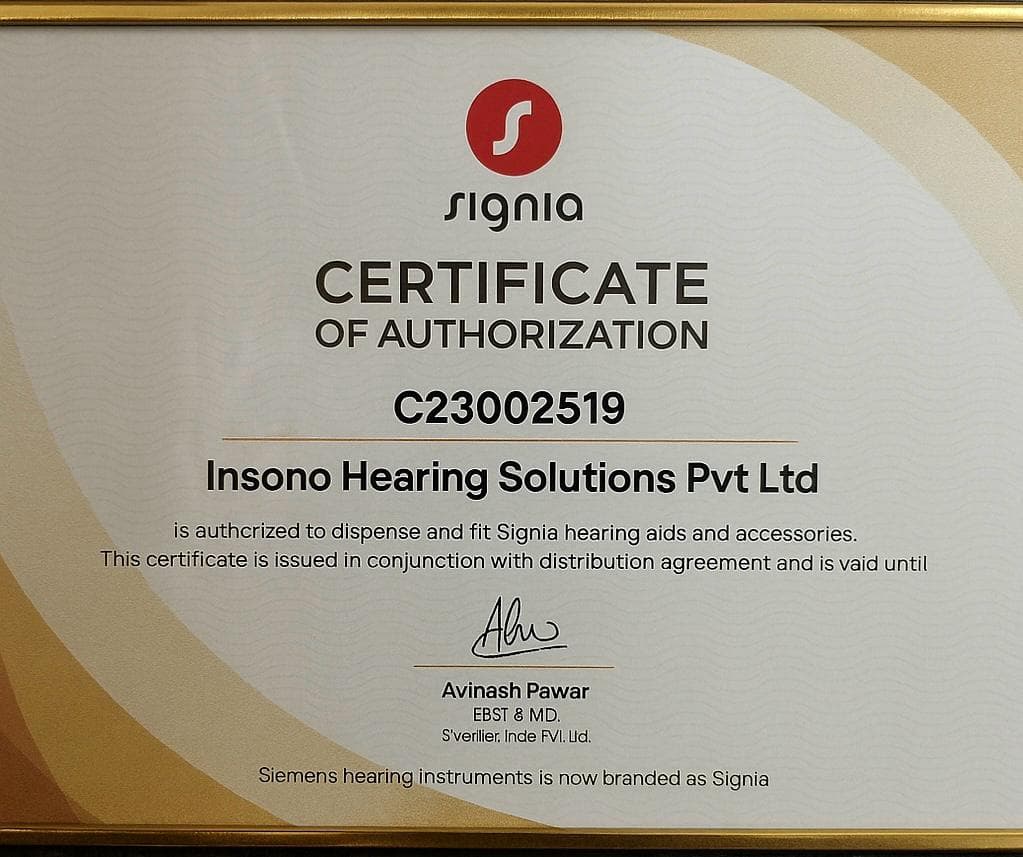
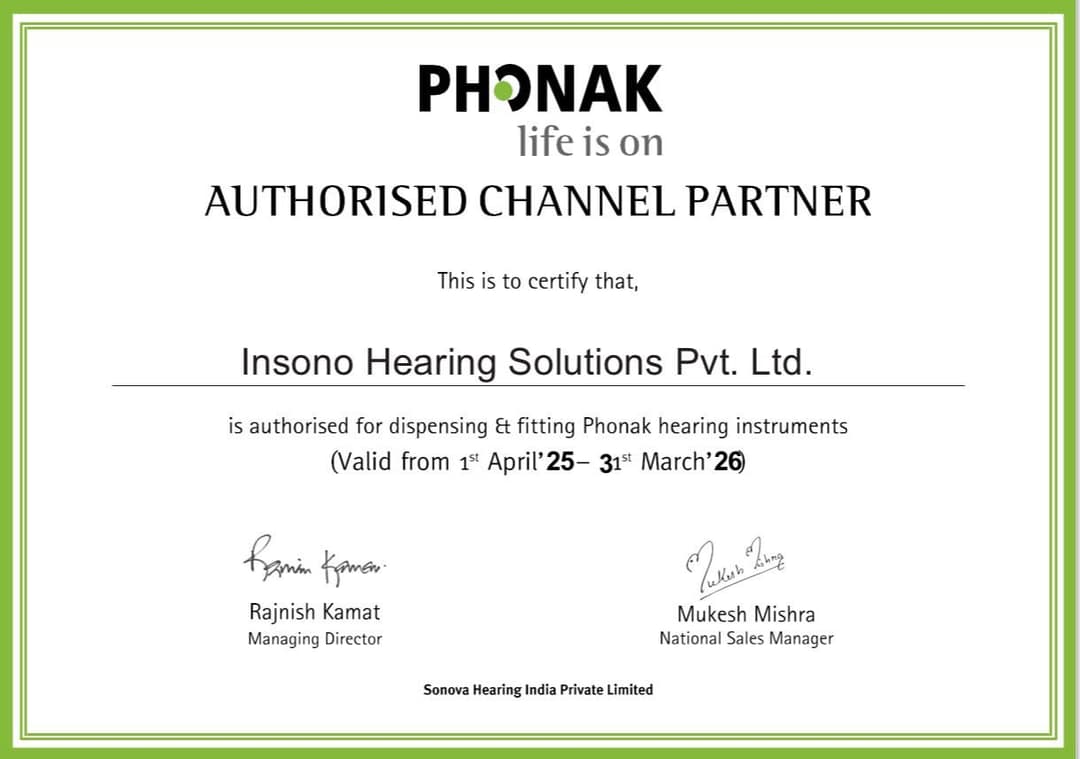
Official Certifications from Widex, Signia & Phonak
Insono Hearing Solutions is an authorized partner for leading global hearing aid brands including Widex, Signia, Phonak, and Oticon. These certifications reflect our trusted expertise and commitment to world-class hearing care in India.

Discover the Different Types of Hearing Aids for Better Hearing
Learn about the latest digital hearing aids, from behind-the-ear (BTE) to completely-in-canal (CIC) devices. Find the right style, features, and comfort level that suit your lifestyle.