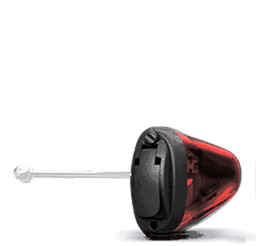
Oticon
OTICON 3000 Behind-The-Ear (BTE) Hearing Aid
₹30,000MRP
Technology
RechargeableBluetoothTinnitus MaskingNoise CancellationAI-Powered
Style
BTE
Available Colors
BlackSandy BrownBrownGreyBeigeSilverDark ChampagnePearl WhiteBlack GlossDeep Brown
Suitable For
Mild Hearing LossModerate Hearing LossSevere Hearing Loss
✅ Free 3-day home trial·🚚 Cash on delivery·🛡️ Genuine warranty
The Oticon 3000 Behind-The-Ear (BTE) Hearing Aid is designed for individuals who need reliable hearing support in everyday communication and prefer the practical design of a Behind-The-Ear hearing aid. Combining a traditional BTE form factor with digital hearing technology, the device is intended to provide amplified access to speech and important environmental sounds while maintaining a comfortable listening experience.
A hearing aid is more than a device that simply increases volume. Modern digital hearing technology is designed to process incoming sound and provide amplification according to the user's hearing requirements. This allows important sounds, particularly speech, to become more accessible without unnecessarily making every surrounding sound excessively loud.
The Oticon 3000 BTE is suitable for users who value a practical hearing-aid design, straightforward handling, and professionally adjustable amplification. As with any hearing aid, its performance depends on the individual's hearing loss, ear anatomy, fitting configuration, listening environment, and professional programming.
## Behind-The-Ear Design
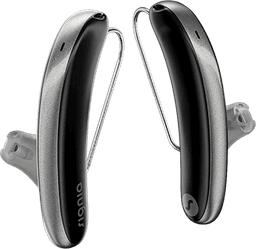
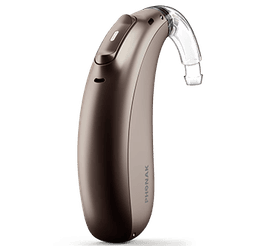
The most noticeable feature of the Oticon 3000 is its Behind-The-Ear design. The primary hearing-aid housing sits comfortably behind the ear, while sound is delivered into the ear through an appropriate coupling system.
This configuration has remained popular because it provides a practical balance between accessibility, comfort, and hearing support. Unlike completely-in-the-canal hearing aids, the main body of a BTE hearing aid does not occupy the ear canal.
The BTE format can also provide flexibility in selecting an appropriate ear coupling based on the user's hearing requirements. Depending on the individual fitting, an earmould, ear tip, tubing, or another suitable connection may be used.
## Digital Hearing Technology
The Oticon 3000 is designed to provide digital amplification rather than simply increasing the volume of all incoming sounds equally.
Digital hearing technology allows the hearing professional to adjust amplification according to the user's hearing profile. Different frequencies may require different amounts of amplification because hearing loss is often not identical across the entire range of sound.
For example, a person may hear some low-frequency sounds relatively well but have greater difficulty hearing higher-frequency speech sounds. Professional programming allows the hearing aid to compensate for these differences more appropriately.
## Personalised Amplification
Hearing loss is unique to every individual. Even two people with similar hearing-test results may have different communication requirements.
The Oticon 3000 should therefore be programmed according to the user's hearing assessment. The audiologist can consider hearing thresholds, speech understanding, comfort, lifestyle, and typical listening environments when adjusting the device.
Personalised amplification helps create a more comfortable balance between audibility and loudness. The goal is not simply to make sounds louder, but to provide useful amplification that matches the user's hearing needs.
## Speech Understanding Support
One of the primary reasons people choose hearing aids is difficulty understanding speech.
When hearing loss affects speech frequencies, conversations can become challenging. Users may hear that someone is speaking but struggle to understand the actual words, particularly when the speaker is at a distance or when other sounds are present.
The Oticon 3000 is intended to provide amplification that helps make speech information more accessible. When properly fitted, it can support communication during everyday conversations with family, friends, colleagues, and other people.
The actual level of speech understanding will depend on the user's hearing condition and the acoustic environment.
## Everyday Communication
Hearing difficulties can affect many ordinary situations. A person may struggle to follow conversations at home, hear someone calling from another room, understand speech during appointments, or participate comfortably in family discussions.
A professionally fitted hearing aid can provide additional access to sounds that may otherwise be difficult to hear.
The Oticon 3000 BTE can be used as part of a broader hearing-care approach designed to support communication and participation in everyday activities.
## Family Conversations
Communication with family members is an important part of everyday life. Hearing loss can sometimes lead to repeated requests for others to speak louder or repeat themselves.
Appropriate amplification can help make conversational speech more accessible. This may make it easier for the wearer to participate in discussions with spouses, children, parents, relatives, and caregivers.
Family members can also support successful communication by facing the hearing-aid user, speaking clearly, reducing unnecessary background noise, and maintaining a reasonable conversation distance.
## Television Listening
Television listening can become difficult for people with hearing loss because speech may be mixed with music, sound effects, and background audio.
Some users compensate by increasing television volume, which may make listening uncomfortable for other people in the room.
With appropriate hearing-aid amplification, television speech may become more accessible without requiring excessively high room volume. The exact listening experience depends on the user's hearing loss, television settings, distance, room acoustics, and hearing-aid fitting.
## Workplace Communication
Hearing clearly can be important in professional environments. Meetings, discussions with colleagues, customer interactions, telephone conversations, and instructions can all require reliable access to speech.
The Oticon 3000 BTE can provide hearing support for users who need amplification during workplace communication.
The appropriate fitting may differ according to the work environment. A quiet office, busy reception area, classroom, workshop, or commercial environment can present very different listening challenges.
Users should explain their daily work requirements to their audiologist so the device can be adjusted appropriately.
## Social Situations
Social environments can be challenging for people with hearing loss. Multiple people may be speaking at the same time, background noise may be present, and speakers may change position frequently.
A properly fitted hearing aid can provide useful amplification and improve access to conversational sounds. However, hearing aids cannot completely eliminate the challenges of difficult acoustic environments.
Choosing a suitable seating position, reducing unnecessary background noise, and maintaining visual contact with speakers can complement the benefits of hearing amplification.
## Environmental Sound Awareness
Hearing is not only about speech. Environmental sounds can also provide important information.
Sounds such as doorbells, alarms, household activities, traffic, footsteps, and people approaching can contribute to awareness of the surrounding environment.
The Oticon 3000 is designed to provide amplified access to environmental sounds according to the user's hearing requirements. Professional fitting is important because environmental sounds should remain comfortable rather than unnecessarily loud.
## Comfortable BTE Form Factor
The BTE format is often preferred by users who want a practical hearing aid that can be handled relatively easily.
Because the main housing is located behind the ear, the ear canal does not need to accommodate the complete device. This can provide a comfortable wearing arrangement when the correct coupling has been selected.
Comfort also depends on the shape of the ear, the chosen earmould or ear tip, the tubing or connection, and the individual user's preferences.
## Easy Handling
A hearing aid should be practical for everyday use. Users need to be able to put it on, remove it, clean it, and manage its power supply appropriately.
The BTE format can be easier for some users to handle compared with very small custom hearing aids. This can be particularly useful for individuals who prefer a more visible and accessible device.
During fitting, the hearing professional should demonstrate the correct method of insertion, removal, cleaning, and basic troubleshooting.
## Feedback and Whistling
Hearing-aid feedback is commonly experienced as a whistling or squealing sound. It can occur when amplified sound escapes from the ear and is picked up again by the hearing-aid microphone.
A correct physical fit and appropriate programming are important for controlling feedback.
If persistent whistling occurs, the user should have the hearing aid checked rather than attempting to make significant adjustments independently. The professional may inspect the ear coupling, tubing, fit, and programmed amplification.
## Importance of Correct Ear Coupling
The connection between the BTE hearing aid and the ear plays an important role in the overall fitting.
The appropriate coupling depends on several factors, including the user's hearing loss, ear anatomy, desired amplification, comfort, and feedback considerations.
An earmould or ear tip that fits properly can help maintain stable sound delivery and improve wearing comfort.
Because every ear is different, professional fitting is important when selecting and adjusting the appropriate coupling.
## Gradual Adaptation
People who are new to hearing aids may need time to become accustomed to amplified sound.
After a period of hearing loss, everyday sounds such as dishes, footsteps, fans, doors, traffic, and household appliances may seem unusually noticeable when amplification is first introduced.
This adaptation period is normal for many new users. Wearing the hearing aid consistently, according to professional guidance, can help the brain become more accustomed to the new sound experience.
If particular sounds remain uncomfortable, the hearing professional can review the fitting and make appropriate adjustments.
## Professional Programming
Professional programming is one of the most important parts of successful hearing-aid use.
The Oticon 3000 should be adjusted according to the user's hearing assessment. The audiologist can determine appropriate amplification and make changes based on the user's real-world experience.
During follow-up visits, users can report situations in which speech remains difficult, sounds seem too loud, or the device does not feel comfortable. These observations can help the professional refine the fitting.
## Hearing Assessment Before Purchase
A hearing aid should be selected after an appropriate hearing evaluation.
A hearing assessment helps determine the degree and type of hearing loss and provides information needed for appropriate amplification.
The hearing professional can also discuss whether a BTE design is appropriate for the user's hearing requirements and lifestyle.
Choosing a hearing aid based only on price, appearance, or general amplification power may not provide the best outcome. A personalised fitting is essential.
## Maintenance and Cleaning
Regular care is important for maintaining hearing-aid performance.
Users should keep the device clean and follow the manufacturer's recommendations for maintenance. Earwax and moisture can interfere with the sound pathway and may reduce performance.
The hearing aid should be protected from unnecessary exposure to water, excessive heat, steam, and harsh chemicals.
If the device becomes weak, distorted, intermittent, or unusually noisy, it should be inspected by a qualified hearing-care professional.
## Battery and Power Management
Where the particular Oticon 3000 configuration uses replaceable batteries, users should follow the instructions supplied for the correct battery type and replacement procedure.
Batteries should always be handled carefully and stored safely away from children and pets.
If the hearing aid stops working, basic checks may include checking the power supply, ensuring the device is correctly positioned, and checking the sound outlet or tubing for blockage. Persistent problems should be professionally inspected.
## Regular Follow-Up and Fine-Tuning
Hearing needs may change over time, and users may also become more comfortable with amplification after wearing the device regularly.
Follow-up appointments allow the hearing professional to assess the user's experience and make necessary adjustments.
Fine-tuning may address concerns such as speech clarity, excessive loudness, feedback, comfort, or difficulty hearing in particular environments.
Regular follow-up is therefore an important part of long-term hearing-aid care.
## Who Can Consider the Oticon 3000 BTE?
The Oticon 3000 Behind-The-Ear Hearing Aid may be considered by individuals looking for a traditional BTE hearing-aid format with professionally adjustable digital amplification.
It can be useful for people who prefer a hearing aid positioned behind the ear rather than a completely in-the-ear device.
The suitability of this particular model depends on the individual's hearing loss and the exact configuration available. A hearing assessment should always be completed before final selection.
## Advantages of a Behind-The-Ear Hearing Aid
The BTE design offers several practical benefits. The main housing remains outside the ear, which can make the device accessible for handling and maintenance.
The format also provides flexibility when selecting an appropriate ear coupling. This can be important when different levels of amplification or different physical fitting requirements need to be considered.
For users who value practicality and accessibility, a BTE hearing aid can be a convenient long-term hearing solution.
## Supporting Better Communication
Successful hearing-aid use involves more than wearing the device. Communication habits also matter.
Users may benefit from facing the person speaking, selecting quieter locations for important conversations, reducing competing background noise where possible, and informing family members about their preferred communication style.
The Oticon 3000 can form part of this overall communication strategy by providing appropriate amplification based on the user's hearing profile.
## Long-Term Hearing Care
Hearing care should be viewed as an ongoing process rather than a one-time purchase.
Regular hearing assessments can help monitor changes in hearing ability. Periodic hearing-aid servicing and professional adjustments can help maintain the performance and comfort of the device.
Users should also seek professional assistance if they notice a sudden change in hearing, persistent feedback, discomfort, or a significant reduction in hearing-aid output.
## Final Summary
The Oticon 3000 Behind-The-Ear (BTE) Hearing Aid is designed for individuals seeking practical, dependable hearing support in a traditional behind-the-ear format. Its digital amplification approach allows the device to be professionally adjusted according to the user's individual hearing requirements.
The BTE design provides convenient handling and flexible fitting options, while appropriate programming can support access to speech and environmental sounds during everyday activities. It can be considered for users who need hearing assistance at home, at work, during social interactions, and in other regular listening situations.
A successful hearing-aid experience depends on more than the device itself. Comprehensive hearing assessment, personalised programming, correct ear coupling, gradual adaptation, regular maintenance, and professional follow-up all contribute to effective long-term use.
Before choosing the Oticon 3000 BTE, users should consult a qualified audiologist or hearing-care professional. The hearing professional can assess the user's hearing loss, discuss suitable fitting options, and determine whether this particular BTE configuration meets the individual's communication and lifestyle requirements.
More Oticon Hearing Aids
OTICON GO PRO D VC / GO PRO D Behind-The-Ear (BTE) Hearing Aid
OTICON GO PRO POWER D Behind-The-Ear (BTE) Hearing Aid
OTICON GO PRO D In-The-Canal (ITC) Hearing Aid
OTICON GO PRO In-The-Canal (ITC) Hearing Aid
OTICON GO PRO PB Completely-In-Canal (CIC) Hearing Aid
OTICON GO PRO PB POWER Behind-The-Ear (BTE) Hearing Aid
OTICON GO PRO D VC / GO PRO D Behind-The-Ear (BTE) Hearing Aid
OTICON GO PRO POWER D Behind-The-Ear (BTE) Hearing Aid
OTICON GO PRO D In-The-Canal (ITC) Hearing Aid
OTICON GO PRO In-The-Canal (ITC) Hearing Aid
OTICON GO PRO PB Completely-In-Canal (CIC) Hearing Aid
OTICON GO PRO PB POWER Behind-The-Ear (BTE) Hearing Aid
Frequently Asked Questions
What is a Oticon hearing aid?▼
Oticon is a world-leading hearing aid brand known for its advanced technology, exceptional sound quality, and reliability. The OTICON 3000 Behind-The-Ear (BTE) Hearing Aid is one of their premium models designed to help people with hearing loss experience clear, natural sound.
What technology does the OTICON 3000 Behind-The-Ear (BTE) Hearing Aid use?▼
The OTICON 3000 Behind-The-Ear (BTE) Hearing Aid features Rechargeable, Bluetooth, Tinnitus Masking, Noise Cancellation, AI-Powered. These technologies work together to deliver outstanding clarity, comfort, and connectivity for the wearer.
Can I connect the OTICON 3000 Behind-The-Ear (BTE) Hearing Aid to my phone via Bluetooth?▼
Yes, the OTICON 3000 Behind-The-Ear (BTE) Hearing Aid supports Bluetooth connectivity, allowing you to stream audio directly from your smartphone, TV, or other compatible devices.
What is the style and shape of the OTICON 3000 Behind-The-Ear (BTE) Hearing Aid ?▼
The OTICON 3000 Behind-The-Ear (BTE) Hearing Aid is available in BTE style(s). This style balances comfort, discretion, and performance.
What level of hearing loss is the OTICON 3000 Behind-The-Ear (BTE) Hearing Aid suitable for?▼
The OTICON 3000 Behind-The-Ear (BTE) Hearing Aid is recommended for individuals with Mild Hearing Loss, Moderate Hearing Loss, Severe Hearing Loss. We advise getting a professional hearing assessment to confirm the best solution for your specific needs.
What is the price of the OTICON 3000 Behind-The-Ear (BTE) Hearing Aid ?▼
The OTICON 3000 Behind-The-Ear (BTE) Hearing Aid is priced at ₹30,000. Insono Hearing offers flexible EMI options and financing. Contact us for the latest offers and to schedule a free trial.
Where can I get a free trial of the OTICON 3000 Behind-The-Ear (BTE) Hearing Aid in India?▼
Insono Hearing offers free trials for the OTICON 3000 Behind-The-Ear (BTE) Hearing Aid at our clinics. Book an appointment online or call us to experience the device before making a decision.
Official Certifications from Widex, Signia & Phonak
Insono Hearing Solutions is an authorized partner for leading global hearing aid brands including Widex, Signia, Phonak, and Oticon. These certifications reflect our trusted expertise and commitment to world-class hearing care in India.



Discover the Different Types of Hearing Aids for Better Hearing
Learn about the latest digital hearing aids, from behind-the-ear (BTE) to completely-in-canal (CIC) devices. Find the right style, features, and comfort level that suit your lifestyle.